In today’s fast-paced world, mental health awareness among teenagers is more important than ever. The demand for qualified youth counselors is rising as schools and communities seek professionals who can provide effective support.
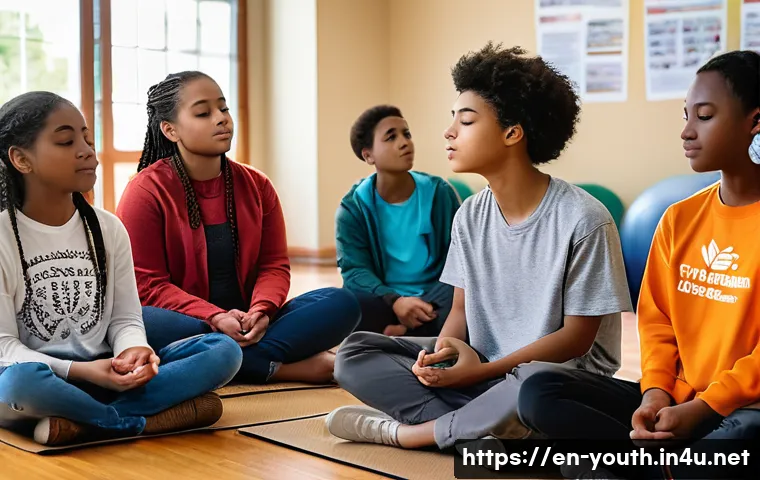
Earning a youth counseling certification not only opens doors to meaningful careers but also equips individuals with the tools to make a real difference.
With evolving trends in therapy techniques and digital counseling, staying updated is crucial. If you’re curious about the latest shifts and opportunities in this field, you’re in the right place.
Let’s dive deeper and explore everything you need to know!
Emerging Techniques Transforming Youth Counseling
Integrating Technology in Therapy Sessions
The use of technology in youth counseling has expanded dramatically, especially with the rise of teletherapy and app-based support systems. From video calls to interactive mental health apps, counselors now have multiple tools to engage teens in a format they find comfortable and accessible.
Based on my experience, virtual counseling breaks down many barriers like transportation and scheduling conflicts, making it easier for teens to seek help discreetly.
However, it also demands counselors to adapt their communication skills and maintain rapport through screens, which isn’t always straightforward. The trend towards hybrid models—combining in-person and digital interactions—seems promising for balancing personal connection with convenience.
Trauma-Informed Approaches Becoming Standard
Trauma-informed care has shifted from a niche practice to a foundational element in youth counseling. Recognizing how past trauma affects behavior and emotional health, counselors now focus on creating safe environments that emphasize empowerment and trust.
I’ve noticed that programs emphasizing trauma sensitivity tend to have better engagement rates among teens, especially those with complex backgrounds.
This approach requires counselors to be highly trained in recognizing trauma triggers and responding with empathy, patience, and appropriate interventions.
It’s no longer enough to address symptoms; understanding the root causes is key to long-term healing.
Mindfulness and Emotional Regulation Techniques
Mindfulness practices have gained traction as effective tools for helping teens manage anxiety, depression, and stress. Techniques such as breathing exercises, guided meditation, and body awareness are being incorporated into counseling sessions more frequently.
When I applied these methods in my sessions, I observed that teens often feel more in control of their emotions and develop healthier coping mechanisms.
These techniques are especially valuable because they empower teens to self-regulate outside of counseling, promoting resilience in everyday situations.
Counselors now often combine mindfulness with cognitive-behavioral strategies for a more holistic approach.
Certification Paths and Credentialing Trends
Variety in Certification Programs
The landscape of youth counseling certification has diversified to accommodate different educational backgrounds and career goals. Traditional certifications focus on clinical counseling skills, while newer programs offer specializations in digital counseling, crisis intervention, and school-based mental health support.
From what I’ve seen, prospective counselors benefit from carefully selecting programs accredited by reputable organizations that align with their career focus.
Additionally, many certifications now emphasize ongoing education and practical experience to maintain validity, reflecting the dynamic nature of the field.
Importance of State and National Accreditation
Navigating the maze of certifications can be overwhelming, but accreditation plays a critical role in establishing credibility and employability. Certifications recognized by national bodies or state licensure boards ensure that counselors meet rigorous standards of competence and ethics.
In my observation, employers and schools prioritize candidates with accredited certifications because they guarantee a certain level of training and accountability.
Furthermore, accredited credentials often allow counselors to access insurance reimbursements and participate in advanced training opportunities.
Continuing Education and Recertification
Youth counseling certifications increasingly require continuing education units (CEUs) to maintain active status. This requirement encourages counselors to stay updated on the latest research, therapeutic modalities, and ethical guidelines.
Personally, I find that ongoing learning not only improves my skills but also keeps my passion for counseling alive. Many certification programs offer workshops, webinars, and conferences tailored to youth mental health trends, which help counselors adapt to shifting challenges such as social media influence or pandemic-related stressors.
Career Opportunities and Workplace Trends
Growing Demand in Schools and Community Centers
Schools and community organizations are the largest employers of youth counselors, driven by increased recognition of mental health’s role in academic success and social development.
I’ve noticed that these settings often provide a collaborative environment where counselors work alongside teachers, social workers, and healthcare providers.
This multidisciplinary approach enhances support for teens but also requires counselors to be skilled in teamwork and communication. Demand for counselors with trauma-informed and culturally responsive training is particularly high in these environments.
Private Practice and Telehealth Expansion
More youth counselors are opening private practices or joining telehealth platforms, offering flexibility and personalized care options. From my perspective, private practice allows counselors to tailor their services and schedules but also demands strong business skills and marketing savvy.
Telehealth platforms have lowered barriers to entry by providing infrastructure and client access, but competition is fierce. Counselors who integrate technology effectively and maintain a strong online presence tend to attract more clients and generate sustainable income.
Challenges with Burnout and Workload
Despite growing opportunities, youth counselors face significant challenges with workload and emotional burnout. Counselors I’ve spoken with often describe the emotional toll of supporting vulnerable teens and navigating systemic barriers such as funding cuts and high caseloads.
Organizations are beginning to address this by promoting self-care practices, peer support groups, and flexible work arrangements. Recognizing and managing burnout is essential not only for counselor well-being but also for maintaining high-quality care.
Adapting Counseling Strategies to Diverse Teen Populations
Culturally Responsive Counseling Practices
Cultural competence is no longer optional in youth counseling. Counselors must understand and respect the diverse backgrounds of their clients, including race, ethnicity, gender identity, and socioeconomic status.
From my hands-on experience, culturally responsive counseling creates a safe space for teens to express themselves without fear of judgment or misunderstanding.
This requires ongoing self-reflection and training to avoid unconscious biases and tailor interventions to each teen’s unique context.
Addressing LGBTQ+ Youth Needs
LGBTQ+ teens often face unique challenges related to identity, acceptance, and mental health. Effective youth counselors are those who create affirming environments and stay informed about issues like coming out, discrimination, and family dynamics.
I’ve found that counselors who openly communicate acceptance and use inclusive language build stronger trust with LGBTQ+ clients. Specialized training on LGBTQ+ mental health is becoming a standard part of certification programs, reflecting the community’s needs.
Supporting Teens with Neurodiversity
Counselors increasingly work with neurodiverse teens, including those with autism, ADHD, and learning differences. Tailoring counseling strategies to accommodate sensory sensitivities, communication styles, and executive functioning challenges is critical.

In my practice, integrating behavioral strategies and collaborating with educators and families has led to better outcomes. The trend toward personalized care plans and interdisciplinary approaches highlights the evolving nature of youth counseling.
Financial and Educational Investment Considerations
Cost vs. Return on Investment
Pursuing youth counseling certification involves financial and time commitments that vary widely by program and location. Many aspiring counselors weigh tuition costs, exam fees, and continuing education expenses against potential earnings and career growth.
Based on what I’ve seen, programs that combine affordable tuition with strong job placement support offer the best value. Scholarships, grants, and employer tuition reimbursement can also ease the financial burden, making certification more accessible.
Education Requirements and Pathways
Certification requirements differ, with some programs requiring a bachelor’s degree in psychology or social work, while others mandate graduate-level education and supervised clinical hours.
The pathway chosen often depends on one’s career goals—whether aiming for school counseling, clinical practice, or community work. I recommend researching state licensure requirements early on to ensure the chosen certification aligns with long-term plans and legal standards.
Salary Expectations Across Settings
Salary for youth counselors varies by employment sector, geographic location, and experience level. Generally, school-based counselors earn a stable income with benefits, while private practice counselors’ earnings fluctuate based on client load and business acumen.
Community center roles may offer lower salaries but provide rich professional development opportunities. Understanding these financial dynamics helps prospective counselors make informed decisions about certification and career trajectory.
| Certification Program Type | Typical Education Required | Average Cost | Key Focus Areas | Career Settings |
|---|---|---|---|---|
| Entry-Level Certificate | Bachelor’s Degree | $1,000 – $3,000 | Basic counseling skills, ethics | Schools, community centers |
| Advanced Certification | Master’s Degree + Clinical Hours | $3,000 – $7,000 | Trauma-informed care, therapy modalities | Private practice, hospitals |
| Specialized Certifications | Varies (often Master’s) | $500 – $2,000 | Digital counseling, LGBTQ+ support | Telehealth, niche clinics |
Ethical and Legal Developments Impacting Practice
Privacy and Confidentiality in Digital Counseling
The shift to online counseling brings complex ethical questions about data security, consent, and confidentiality. Counselors must navigate laws like HIPAA while ensuring teens feel safe sharing sensitive information virtually.
In my experience, transparency about privacy policies and using secure platforms is crucial to building trust. Counselors also need ongoing training to stay compliant with evolving regulations and technology standards.
Mandated Reporting and Duty of Care
Youth counselors operate under strict legal obligations to report abuse, neglect, or imminent harm. These responsibilities sometimes create tension between maintaining client trust and fulfilling legal duties.
From what I’ve encountered, clear communication about these limits at the outset of counseling helps manage expectations. Staying informed about state-specific laws and ethical codes is vital for protecting both teens and counselors.
Addressing Bias and Ensuring Equity
Legal frameworks increasingly emphasize nondiscrimination and equitable treatment in mental health services. Counselors must actively identify and mitigate biases that affect care quality for marginalized populations.
I’ve seen that institutions adopting equity-focused policies foster more inclusive environments, which benefits both clients and staff. Continuous ethical reflection and organizational support are key to upholding these standards in youth counseling.
Future Outlook: Innovations and Challenges Ahead
Artificial Intelligence and Automated Support Tools
AI-powered chatbots and mental health apps are emerging as supplementary tools in youth counseling. While these innovations offer scalability and immediate access, I believe they should complement rather than replace human interaction.
Based on early trials I’ve followed, AI can handle routine screening and offer coping suggestions, freeing counselors to focus on complex emotional needs.
The challenge lies in balancing technology with empathy and personalized care.
Expanding Access in Underserved Communities
Efforts to increase mental health services in rural and low-income areas are gaining momentum through mobile clinics and telehealth grants. From my perspective, reducing disparities requires not just technology but culturally sensitive outreach and community partnerships.
Training counselors to work effectively in diverse environments is a critical component of this expansion, ensuring that more teens receive timely, appropriate care.
Adapting to Changing Adolescent Challenges
The issues facing teens evolve rapidly, influenced by social media, global events, and shifting cultural norms. Counselors must stay agile and informed to address emerging concerns such as cyberbullying, identity crises, and pandemic-related anxiety.
Drawing from my ongoing practice, flexibility and a willingness to learn new approaches are essential traits for counselors who want to remain relevant and impactful in this fast-changing field.
Closing Thoughts
Youth counseling is evolving rapidly, embracing new technologies and approaches to better support diverse adolescent needs. From trauma-informed care to digital innovations, these changes promise more accessible and effective mental health services. Staying adaptable and informed is key for counselors aiming to make a meaningful impact in this dynamic field.
Helpful Information to Keep in Mind
1. Integrating technology like teletherapy enhances accessibility but requires counselors to develop strong virtual communication skills.
2. Trauma-informed approaches improve engagement by addressing the root causes of emotional struggles rather than just symptoms.
3. Certification programs vary widely; choosing accredited and specialized training can greatly influence career opportunities.
4. Cultural responsiveness and inclusivity, especially regarding LGBTQ+ and neurodiverse teens, are essential for effective counseling.
5. Counselors must balance growing workloads with self-care to prevent burnout and maintain quality care for youth.
Key Takeaways
The future of youth counseling depends on blending innovative tools with compassionate, culturally sensitive care. Counselors should prioritize ongoing education, ethical standards, and adaptability to meet changing adolescent challenges. By doing so, they can provide meaningful support that empowers young people to thrive emotionally and socially.
Frequently Asked Questions (FAQ) 📖
Q: What are the essential qualifications needed to become a certified youth counselor?
A: To become a certified youth counselor, you typically need a relevant bachelor’s degree in psychology, social work, counseling, or a related field. Beyond that, obtaining a specialized certification in youth or adolescent counseling is crucial.
This often involves completing accredited training programs that cover developmental psychology, counseling techniques, and crisis intervention specific to young people.
Many states or organizations also require supervised clinical experience and passing a certification exam. From my experience, choosing a program that offers hands-on practice and up-to-date methodologies really makes a difference in preparing for real-world challenges.
Q: How has digital counseling changed the landscape of youth mental health support?
A: Digital counseling has revolutionized access to mental health support for teenagers by breaking down barriers like stigma, transportation, and scheduling conflicts.
Platforms offering video calls, texting, and app-based therapy have made it easier for young people to seek help discreetly and conveniently. In my observation, digital tools also allow counselors to use interactive resources like mood tracking and coping exercises that can be tailored to each teen’s needs.
However, it’s important for counselors to stay trained in online communication skills and confidentiality protocols to maintain trust and effectiveness in this evolving space.
Q: What career opportunities are available for someone with a youth counseling certification?
A: Holding a youth counseling certification opens up a variety of career paths beyond traditional school or community counseling roles. You could work in juvenile justice centers, residential treatment facilities, nonprofit organizations focused on youth development, or even in private practice.
Some counselors also specialize in areas like substance abuse, trauma recovery, or career coaching for teens. From what I’ve seen, combining certification with ongoing education in emerging therapy techniques can boost your chances of landing rewarding positions with competitive salaries and meaningful impact.