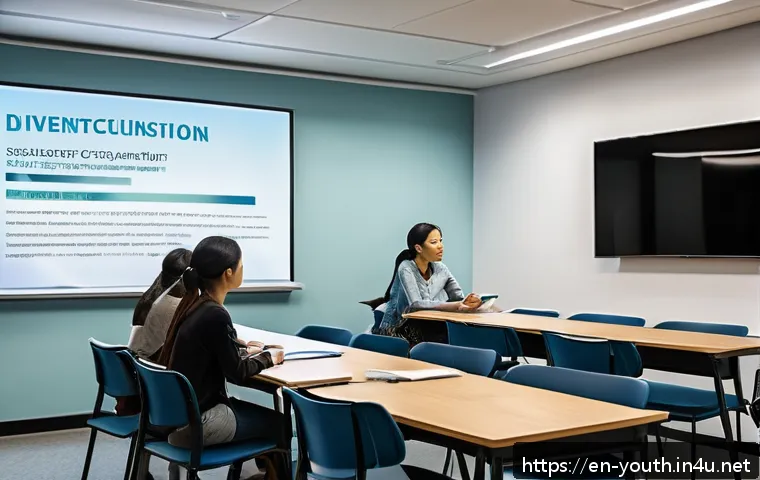
Working with teenagers is both rewarding and challenging, requiring a unique set of skills and responsibilities. Youth counselors play a vital role in guiding young individuals through emotional, social, and educational hurdles.
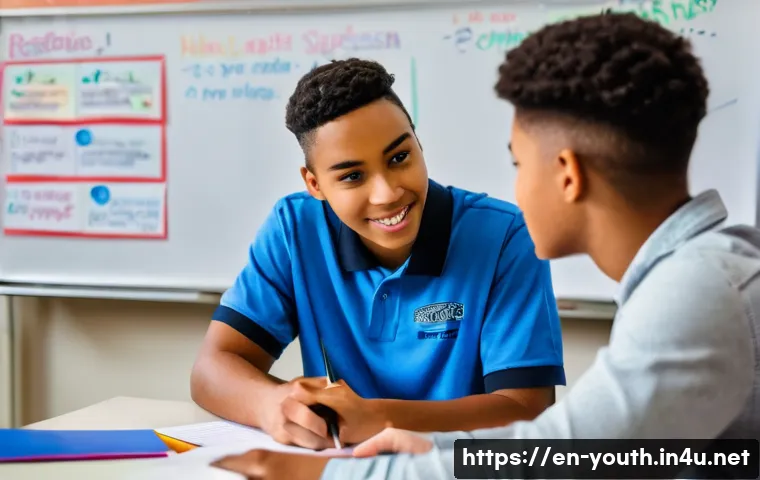
Their duties range from providing one-on-one support to organizing group activities and collaborating with families and schools. Understanding the specific roles within this profession can shed light on how these experts make a real difference in young lives.
Whether it’s crisis intervention or career guidance, each task is crucial for fostering growth and resilience. Let’s dive into the detailed responsibilities and discover what makes youth counseling so impactful!
Building Trust and Emotional Support
Creating a Safe Space for Open Dialogue
One of the foundational tasks youth counselors undertake is establishing an environment where teenagers feel safe to express their thoughts and emotions without fear of judgment.
From my experience, this involves active listening and showing genuine empathy. Teens often come in with walls built up, so breaking down those barriers takes patience and consistency.
I’ve seen firsthand how just a few sessions of attentive listening can encourage a teen to open up about struggles they hadn’t shared with anyone before.
This trust forms the cornerstone of effective counseling.
Identifying Emotional and Behavioral Challenges
Youth counselors are trained to recognize signs of anxiety, depression, trauma, and other mental health issues that may not be obvious at first glance.
It’s not just about hearing what teens say, but also observing their body language, mood shifts, and social interactions. In one case I worked on, subtle changes in a teenager’s engagement at school hinted at deeper emotional struggles.
Early identification allows counselors to intervene before problems escalate, connecting teens with appropriate resources like therapists or support groups.
Providing Crisis Intervention When Needed
When teenagers face acute crises—whether it’s bullying, family conflict, or thoughts of self-harm—youth counselors step in immediately to de-escalate situations and provide critical support.
This often requires quick thinking and emotional steadiness. I recall a moment when a young person was on the brink of dropping out due to overwhelming stress; through calm dialogue and safety planning, the counselor helped them regain a sense of control.
Such interventions can literally be life-saving, underscoring the gravity of this role.
Encouraging Social Skills and Peer Relationships
Facilitating Group Activities for Connection
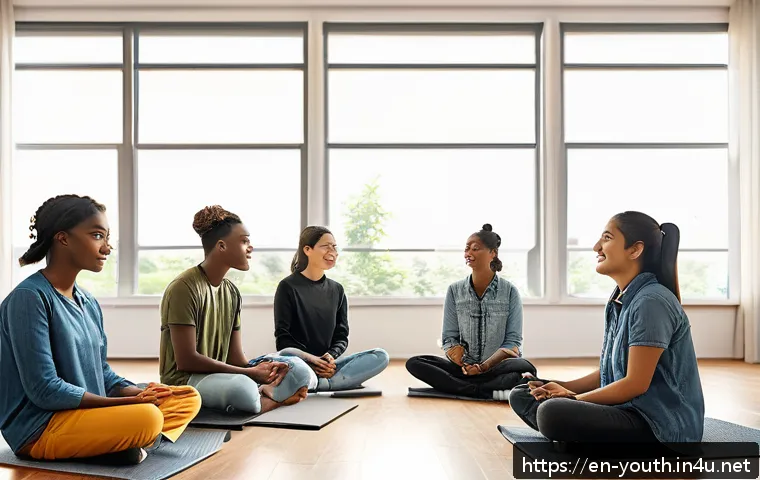
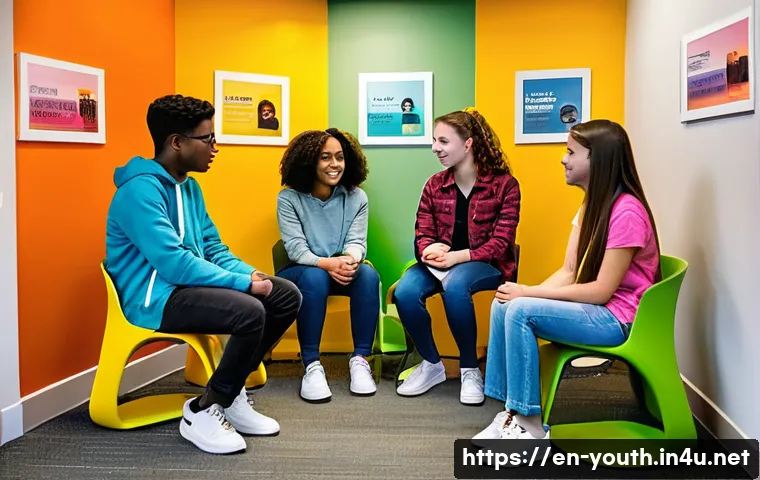
Group sessions and activities are more than just fun—they’re a strategic tool youth counselors use to improve social skills and build peer support networks.
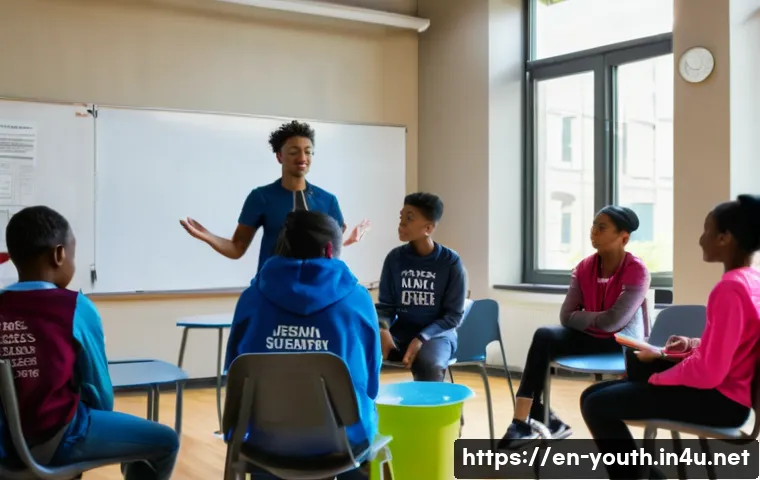
These activities are designed to foster teamwork, communication, and empathy among teenagers who might otherwise feel isolated. When I observed a group discussion led by a counselor, I noticed how carefully crafted prompts encouraged shy teens to share and validate each other’s experiences, creating a sense of belonging that many desperately need.
Teaching Conflict Resolution Techniques
Teenagers frequently encounter conflicts with peers, family members, or authority figures, and counselors equip them with practical strategies to manage disagreements constructively.
Role-playing exercises and communication skill-building help teens express themselves calmly and listen actively. From my perspective, this skillset not only improves immediate relationships but also sets the stage for healthier adult interactions down the line.
Supporting Positive Identity Development
Helping teens explore their values, interests, and cultural identities is crucial during adolescence. Youth counselors encourage self-reflection and celebrate diversity, which boosts confidence and resilience.
I’ve seen shy teens blossom when given the chance to lead a project or share their heritage in group settings, reinforcing their sense of worth and place in the world.
Academic Guidance and Career Exploration
Assisting with Educational Challenges
Youth counselors often collaborate with schools to support teens facing academic hurdles, such as learning difficulties or motivation issues. They help identify strengths and weaknesses, develop study plans, and liaise with teachers to create accommodations when necessary.
I remember a case where a counselor’s intervention helped a struggling student access tutoring and improve their grades, which made a huge difference in that teen’s self-esteem and future prospects.
Exploring Career Interests and Goals
Counselors guide teenagers through career exploration by helping them assess their skills, interests, and values. They provide information about various professions, college options, and vocational training.
What stood out to me was how personalized this process is—counselors tailor advice to each teen’s unique background and aspirations, ensuring the guidance feels relevant and inspiring rather than generic.
Encouraging Goal Setting and Motivation
Setting achievable goals and maintaining motivation can be tough for many teens. Youth counselors break down larger ambitions into manageable steps and celebrate milestones along the way.
This approach helps teens build momentum and confidence. I’ve seen teens who initially felt overwhelmed become energized once they had a clear, supported plan to pursue their dreams.
Collaborating with Families and Communities
Engaging Parents and Guardians in the Process
Effective youth counseling often involves working closely with families to ensure consistent support for the teenager. Counselors provide guidance on communication strategies and parenting approaches that reinforce positive development.
From what I’ve observed, when families are involved and informed, teens feel more supported and understood, which significantly enhances counseling outcomes.
Partnering with Schools and Social Services
Youth counselors act as liaisons between teens and various community resources, including schools, mental health providers, and social services. This collaborative approach ensures comprehensive care.
I recall a situation where a counselor coordinated efforts between a school psychologist and a local youth program, creating a safety net that addressed multiple aspects of a teen’s wellbeing.
Advocating for Youth Needs and Rights
Counselors often serve as advocates, helping teens navigate systems and access services they might otherwise miss. This can include legal advice, healthcare access, or educational accommodations.
The advocacy role is vital because it empowers teens to have a voice in decisions affecting their lives, fostering independence and self-advocacy skills.
Designing and Implementing Prevention Programs
Developing Workshops on Mental Health and Wellbeing
Prevention programs are a proactive way to address common issues before they escalate. Counselors design workshops that educate teens on topics like stress management, substance abuse prevention, and healthy relationships.
In my experience, interactive and relatable sessions resonate best, encouraging teens to adopt healthier habits and seek help when needed.
Promoting Resilience and Coping Skills
Teaching coping mechanisms for dealing with setbacks is another key function. Counselors introduce techniques such as mindfulness, problem-solving, and emotional regulation.
I’ve noticed that when teens practice these skills regularly, they become more adaptable and better equipped to handle life’s challenges.
Evaluating Program Effectiveness and Adjusting Approaches
Effective youth counseling requires ongoing assessment of prevention efforts. Counselors gather feedback, track participation, and measure outcomes to refine programs.
This continuous improvement cycle ensures that interventions stay relevant and impactful, meeting the evolving needs of the teen population.
Maintaining Professional Development and Ethical Standards
Staying Updated with Latest Research and Techniques
The field of youth counseling is constantly evolving, so professionals must commit to lifelong learning. Attending workshops, conferences, and training sessions helps counselors stay informed about new therapeutic approaches and tools.
Personally, I find that this dedication not only enhances skills but also rekindles passion for the work.
Upholding Confidentiality and Ethical Practices
Protecting teens’ privacy is paramount. Counselors adhere to strict ethical guidelines to maintain confidentiality while balancing the need to report safety concerns.
This delicate balance requires sound judgment and integrity. I’ve admired how skilled counselors navigate these complexities to build trust without compromising safety.
Reflecting on Personal Biases and Improving Cultural Competence
To serve diverse populations effectively, counselors must continually reflect on their own biases and expand their cultural understanding. Engaging in self-awareness exercises and cultural competency training fosters more respectful and relevant interactions.
From what I’ve seen, this growth leads to stronger connections with teens from all backgrounds.
| Key Youth Counselor Responsibilities | Typical Activities | Skills Required | Impact on Teens |
|---|---|---|---|
| Emotional Support | One-on-one counseling, crisis intervention | Active listening, empathy, crisis management | Builds trust, reduces distress, promotes resilience |
| Social Skills Development | Group sessions, conflict resolution training | Facilitation, communication skills, patience | Improves peer relationships, fosters belonging |
| Academic and Career Guidance | Educational planning, career exploration | Assessment, goal-setting, motivational coaching | Enhances academic performance, clarifies future goals |
| Family and Community Collaboration | Parent meetings, resource coordination | Advocacy, communication, networking | Strengthens support systems, ensures comprehensive care |
| Prevention Programming | Workshops, resilience training | Program design, evaluation, education | Promotes healthy behaviors, prevents problems |
| Professional Development | Training, ethical practice | Continuous learning, self-reflection | Maintains quality, ethical standards, cultural competence |
Conclusion
Building trust and providing emotional support are essential elements in youth counseling that pave the way for meaningful growth. Through collaboration with families, schools, and communities, counselors create a strong support network for teens. Encouraging social skills, academic guidance, and prevention programs further empower young people to navigate challenges confidently. Ultimately, this holistic approach helps teens develop resilience and a positive sense of self.
Useful Information to Keep in Mind
1. Active listening and empathy are key to creating a safe space where teens feel comfortable sharing their feelings and struggles.
2. Early identification of emotional or behavioral issues allows for timely intervention and better outcomes.
3. Group activities not only build social skills but also foster a sense of belonging among isolated teens.
4. Personalized academic and career guidance helps teens set realistic goals and stay motivated toward their futures.
5. Ongoing professional development and cultural competence are crucial for counselors to provide ethical and effective support.
Key Takeaways
Effective youth counseling relies on establishing trust through empathy and active listening, combined with early detection of mental health concerns. Supporting teens’ social development and academic goals enhances their overall well-being, while engaging families and communities ensures a consistent network of care. Prevention programs and continual counselor training keep interventions relevant and impactful. This comprehensive framework helps young people build resilience and thrive during adolescence.
Frequently Asked Questions (FAQ) 📖
Q: What are the key responsibilities of a youth counselor when working with teenagers?
A: Youth counselors are responsible for providing emotional support, helping teens navigate social challenges, and guiding them through educational or career decisions.
They often conduct one-on-one sessions to address personal issues, organize group activities to build social skills, and work closely with families and schools to create a supportive environment.
From crisis intervention to mentoring, their role is to empower young people to develop resilience and confidence.
Q: How do youth counselors handle crisis situations with teenagers?
A: When faced with a crisis, youth counselors act quickly to ensure the teenager’s safety and emotional stability. They use active listening and empathy to understand the situation, then develop a tailored plan that might include immediate intervention, connecting the teen with mental health professionals, or involving family members.
Their training equips them to stay calm under pressure and provide a safe space for teens to express themselves without judgment.
Q: What skills are essential for someone considering a career as a youth counselor?
A: Effective youth counselors need excellent communication and interpersonal skills, patience, and the ability to build trust with teenagers. Emotional intelligence is crucial for recognizing underlying issues, while problem-solving skills help in guiding teens through challenges.
Experience in conflict resolution and knowledge of adolescent development also enhance their effectiveness. From my own observations, counselors who genuinely connect on a personal level tend to make the biggest impact.