In today’s fast-changing world, empowering youth has never been more crucial. Innovative projects aimed at supporting young people are making real, measurable differences in communities across the globe.
From mental health initiatives to skill-building programs, these efforts are transforming lives and opening doors to brighter futures. If you’ve ever wondered how collective action can spark genuine change, you’re in the right place.
Let’s dive into some inspiring stories and practical approaches that prove when we come together, incredible impact follows. Stick around—you won’t want to miss what’s next.
Building Confidence Through Creative Expression
Unlocking Potential with Art and Music
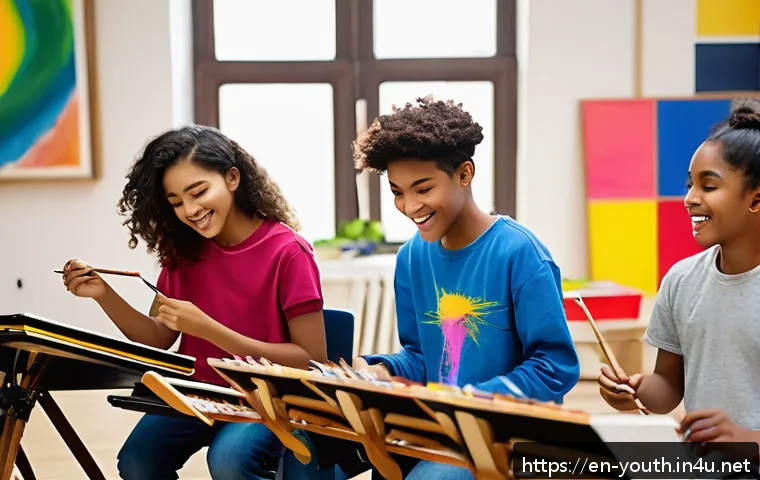
Many youth find their voices when given the chance to express themselves artistically. Programs that incorporate painting, music, or theater provide more than just creative outlets—they build self-esteem and resilience.
From my experience working with teens, watching a young person shy away from group activities slowly transform into a confident performer is truly inspiring.
These creative projects help youth channel their emotions constructively, often revealing hidden talents and strengths they didn’t know they had.
Storytelling as a Path to Self-Discovery
Encouraging young people to share their stories through writing or spoken word helps them process their experiences and connect with others. Storytelling workshops foster empathy and communication skills, which are vital for personal growth.
I’ve seen teens who struggled with anxiety gradually open up in these safe spaces, realizing their stories matter and that they are not alone. This sense of belonging can be a powerful motivator for positive change.
Collaborative Projects that Inspire Teamwork
Creative expression isn’t just individual—it’s also about collaboration. Group projects like mural painting or music ensembles teach young people how to work together, respect different perspectives, and solve problems collectively.
These activities often lead to lasting friendships and a stronger community spirit, which are crucial in supporting youth through challenges.
Equipping Youth with Future-Ready Skills
Hands-On Technology Workshops
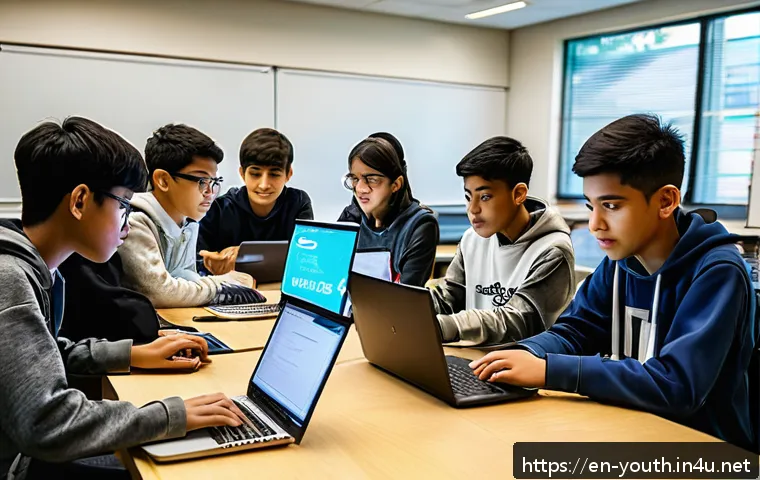
In today’s digital age, technology skills are non-negotiable. Programs that offer coding classes, robotics clubs, or digital media training help bridge the gap for youth who might not otherwise have access to these resources.
From my observations, when young people get hands-on experience with tech tools, their confidence soars alongside their competence. It’s not just about learning to code; it’s about developing problem-solving skills and creative thinking that open doors to future careers.
Financial Literacy as a Foundation for Independence
Money management workshops tailored for teens equip them with essential life skills. Teaching budgeting, saving, and smart spending early on prevents many common pitfalls later in life.
I recall working with a young person who was amazed to learn how simple strategies like tracking expenses could make a huge difference. Programs that demystify finances empower youth to take control of their futures and reduce stress related to money.
Career Mentorship and Exposure
Connecting youth with mentors in their fields of interest creates invaluable learning opportunities. Shadowing professionals, attending career talks, and participating in internships give young people a clearer sense of direction.
From my experience, mentorship not only provides guidance but also inspires hope and motivation. When youth see real-world success stories, they begin to believe in their own potential.
Promoting Mental Wellness and Emotional Resilience
Accessible Counseling and Peer Support
Mental health remains a critical issue among young people, yet stigma often prevents them from seeking help. Programs that offer confidential counseling services and peer support groups create safe environments where youth can express their feelings without judgment.
I’ve witnessed firsthand how these resources can be lifesaving, providing tools to manage stress, anxiety, and depression.
Mindfulness and Stress Reduction Techniques
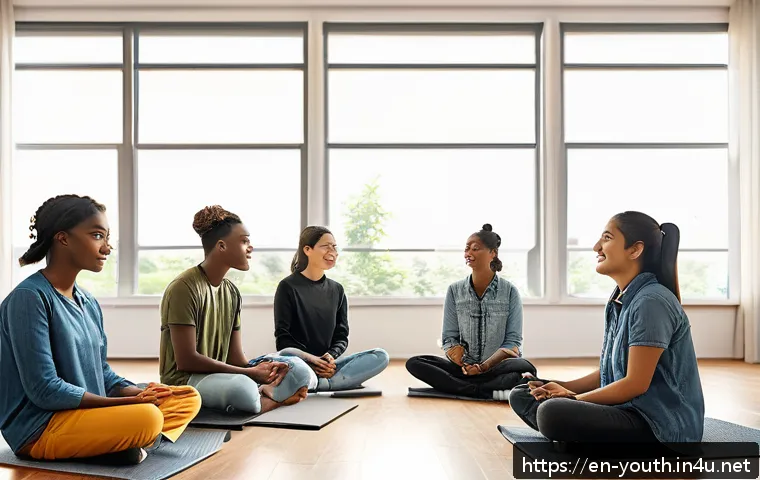
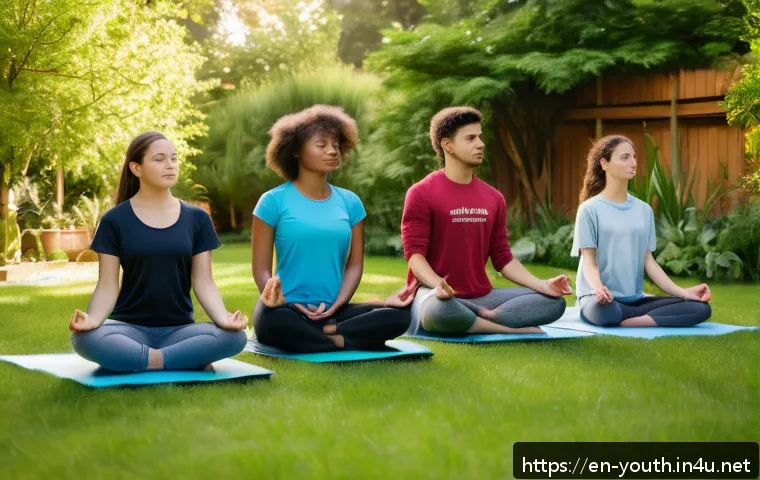
Introducing mindfulness practices such as meditation, yoga, or breathing exercises helps youth develop emotional regulation skills. Many participants in such programs report feeling more grounded and better equipped to handle daily pressures.
Incorporating these techniques into school or community settings normalizes mental wellness and promotes healthier coping mechanisms.
Building Support Networks for Long-Term Success
Sustainable mental health programs emphasize ongoing support rather than one-time interventions. Creating networks that include family, educators, and community members ensures youth have a robust safety net.
From what I’ve seen, youth who feel supported by a community are more likely to thrive emotionally and academically.
Fostering Leadership and Civic Engagement
Youth-Led Community Initiatives
When young people take charge of projects that address local issues, they gain leadership experience and a sense of ownership. Youth councils, environmental clean-ups, or advocacy campaigns empower participants to make tangible changes in their neighborhoods.
I’ve noticed that such initiatives not only benefit the community but also develop critical skills like communication, organization, and negotiation.
Workshops on Social Justice and Advocacy
Educational sessions that focus on equity, human rights, and civic responsibilities inspire youth to become active citizens. These programs deepen their understanding of societal challenges and equip them with tools to advocate for themselves and others.
In my work, I’ve seen how passionate youth become when given knowledge and platforms to raise their voices.
Building Networks Across Generations
Intergenerational projects connect youth with elders, creating opportunities for mutual learning and respect. Such interactions enrich young people’s perspectives and strengthen community bonds.
From experience, bridging these gaps fosters empathy and inspires youth to contribute meaningfully to society.
Creating Safe Spaces for Diverse Youth
Inclusive Programs for Marginalized Groups
Supporting youth from diverse backgrounds—whether based on race, ethnicity, gender identity, or ability—is essential for equitable growth. Tailored initiatives provide culturally sensitive resources and affirm identities.
I’ve found that when youth feel seen and respected, their participation and outcomes improve dramatically.
Anti-Bullying and Conflict Resolution Training
Workshops that teach empathy, communication, and problem-solving reduce bullying and promote peaceful interactions. These programs cultivate environments where all youth can feel safe and supported.
In practice, I’ve observed that early intervention and skill-building can transform school climates and reduce incidents of harassment.
Peer Leadership in Promoting Inclusion
Empowering youth to become advocates for diversity within their peer groups creates a ripple effect of acceptance. Peer leaders model respectful behavior and help mediate conflicts.
From what I’ve witnessed, youth-led inclusion efforts often resonate more deeply among their peers than adult-led initiatives.
Measuring Impact and Sustaining Growth
Data-Driven Program Evaluation
Collecting and analyzing data on youth program outcomes ensures efforts are effective and resources are well used. Surveys, interviews, and performance metrics provide insights into what works and what needs improvement.
I’ve been involved in evaluations that revealed surprising successes and areas requiring adjustment, which ultimately strengthened the programs.
Incorporating Youth Feedback for Continuous Improvement
Actively involving young participants in shaping programs increases relevance and engagement. Their firsthand perspectives highlight challenges adults might overlook.
From experience, youth feel more valued and motivated when their voices influence decision-making.
Strategies for Long-Term Funding and Partnerships
Sustaining youth initiatives requires creative funding approaches and collaborative partnerships with schools, nonprofits, and businesses. Building strong networks helps programs adapt and expand over time.
I’ve seen how diverse support streams—from grants to local sponsorships—can stabilize and grow impactful projects.
| Project Type | Primary Focus | Key Benefits | Example Outcome |
|---|---|---|---|
| Creative Arts Workshops | Self-expression and confidence | Improved self-esteem, emotional processing | Increased participation in school activities |
| Technology Training | Digital skills and problem-solving | Career readiness, innovative thinking | Internships and job placements in tech fields |
| Mental Health Support | Emotional resilience and wellness | Reduced anxiety, better stress management | Higher attendance and academic performance |
| Leadership and Civic Engagement | Community involvement and advocacy | Leadership skills, social responsibility | Youth-led community improvements |
| Inclusive Support Programs | Diversity and safe spaces | Increased acceptance, reduced bullying | Stronger peer networks and support |
In Closing
Empowering youth through creative expression, skill-building, and supportive environments unlocks their full potential. These approaches nurture confidence, resilience, and leadership, preparing young people to thrive in all areas of life. By investing in diverse programs and community connections, we create a foundation for lasting positive impact.
Helpful Information to Know
1. Creative arts programs not only enhance self-esteem but also provide a healthy outlet for emotional expression.
2. Developing technology and financial skills early equips youth with practical tools for future independence and career success.
3. Accessible mental health resources and mindfulness practices are essential for fostering emotional well-being and stress management.
4. Encouraging youth leadership and civic engagement builds a sense of responsibility and community involvement.
5. Inclusive initiatives and peer-led support promote acceptance and safety, creating stronger social networks.
Key Takeaways
Holistic youth development thrives when programs combine creative opportunities, practical skill training, and emotional support. Sustained success depends on continuous evaluation, youth involvement, and collaborative partnerships. Prioritizing safe, inclusive spaces ensures all young people can grow confidently and contribute meaningfully to society.
Frequently Asked Questions (FAQ) 📖
Q: What kinds of projects are most effective in empowering youth today?
A: From my experience and observations, projects that combine mental health support with practical skill-building tend to make the biggest impact. For example, programs that offer counseling alongside career workshops not only help young people manage stress but also equip them with tools to succeed professionally.
The best initiatives are those tailored to local community needs, providing safe spaces for expression while fostering growth in areas like digital literacy, entrepreneurship, or leadership.
Q: How can communities get involved in supporting youth empowerment projects?
A: Getting involved can be as simple as volunteering time or sharing resources. Local businesses can sponsor training sessions or provide mentorship, while individuals can participate in awareness campaigns or contribute to fundraising efforts.
I’ve seen firsthand how small acts—like organizing a community meetup or offering internships—build momentum and create lasting opportunities. The key is collaboration: when schools, nonprofits, and residents unite, the results multiply.
Q: What measurable impacts have youth empowerment initiatives demonstrated?
A: Many projects report tangible outcomes such as improved school attendance, higher employment rates, and better mental health indicators among participants.
For instance, a youth coding bootcamp I followed recently saw 85% of its graduates land tech jobs within six months. Beyond numbers, these initiatives foster confidence and resilience, which ripple out to families and neighborhoods.
It’s powerful to witness how collective efforts translate into real, life-changing progress for young people.