
Have you ever felt that deep desire to make a real difference in the lives of young people, especially with all the ups and downs teenagers face today?
It feels like our youth are navigating more complex challenges than ever before, from the pressures of social media to the ever-present stress of academic life, leading to a critical need for compassionate guidance and support.
I’ve seen firsthand how a supportive adult can truly change a young person’s trajectory, and that’s exactly why becoming a youth counselor is such an incredibly rewarding path.
If you’re passionate about helping the next generation thrive and want to step into a role that’s not just a job, but a calling, you’re in the right place.
The demand for dedicated youth counselors is consistently growing, making now an excellent time to explore this vital profession. Let’s dive into exactly what it takes to prepare for this impactful career.
Stepping into a World of Impact: Understanding the Youth Counselor’s Role
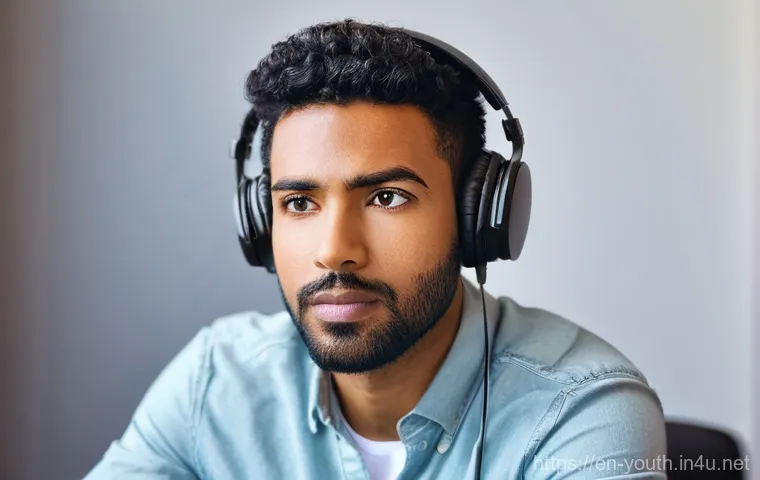
You know, there’s just something incredibly special about connecting with young people, helping them navigate the often-turbulent waters of adolescence. It’s a journey filled with ups and downs, but the rewards? Oh, they’re truly beyond measure. From my experience, being a youth counselor isn’t just a job title; it’s a calling, a deep-seated passion to make a tangible difference in someone’s life at a critical juncture. We’re talking about guiding teens through everything from the everyday pressures of school and friendships to more profound challenges like family issues, mental health struggles, or even grappling with identity. Think about it: our youth are facing unprecedented stress, from the constant hum of social media to intense academic competition, and having someone who genuinely *sees* them, who listens without judgment, can literally change their trajectory. I’ve witnessed countless times how a supportive adult can transform a struggling teen into a confident, resilient young person ready to tackle the world. It’s about creating a safe space where they can be vulnerable, explore their feelings, and develop the coping mechanisms they’ll carry for a lifetime. When you step into this role, you become a beacon of hope, a steady hand, and sometimes, the only person they feel truly understands. It’s not always easy, no, but the impact you make? That resonates for years, truly shaping the next generation. That sense of purpose? It’s what keeps me coming back every single day.
More Than Just Listening: What a Day Looks Like
So, what does a typical day actually entail? Well, it’s rarely “typical,” which is part of the excitement! You might start by providing emotional support during one-on-one sessions, helping a young person unpack anxieties about a major exam or a conflict with a friend. Then, you could be facilitating a group counseling session, creating a dynamic environment where teens can share experiences and build a sense of community. I’ve found these group settings particularly powerful; there’s something incredibly validating about realizing you’re not alone in your struggles. A significant chunk of our time is also dedicated to developing and implementing personalized treatment plans, outlining specific goals and strategies tailored to each individual’s needs. This could involve teaching coping skills, guiding them through problem-solving techniques, or even just helping them set achievable personal goals. It’s a blend of clinical skill and genuine human connection.
Building Bridges: Collaboration is Key
No counselor works in a vacuum, and I’ve learned firsthand how crucial collaboration is in this field. We’re constantly working with a network of professionals to ensure a holistic approach to care. This means regular communication with parents or guardians to keep them informed and engaged, touching base with teachers and school administrators to address academic or behavioral concerns, and coordinating with social workers, probation officers, or other mental health professionals if a young person needs specialized support. It’s like being a central hub, connecting all the different spokes of a young person’s support system. This collaborative spirit ensures that no stone is left unturned and that our youth receive comprehensive care from every angle. It truly amplifies our impact, making sure the support extends beyond our direct sessions.
Laying the Groundwork: Your Educational Journey
If you’re feeling that pull towards youth counseling, your educational path is where it all begins. From my vantage point, it’s not just about collecting degrees; it’s about building a robust foundation of knowledge and understanding that will equip you for the complexities of this profession. Most entry-level positions will typically require at least a bachelor’s degree. My own journey started with a Bachelor’s in Psychology, and I can tell you, that coursework in human behavior, developmental psychology, and basic counseling principles was absolutely foundational. Other excellent majors include social work, sociology, or even education, as they all provide crucial insights into the human condition and the systemic factors affecting young people. What’s really key here is to immerse yourself in courses focused on child and adolescent development and mental health if you can. It gives you that specialized lens right from the start, which I found incredibly valuable.
Beyond the Bachelor’s: The Power of a Master’s Degree
While a bachelor’s degree can get your foot in the door for some roles, if you’re serious about providing therapeutic care, pursuing licensure, and opening up more advanced opportunities, a master’s degree is almost always the next essential step. This is where you really dive deep into counseling theories, different therapeutic approaches, and the nuanced world of mental health. Many programs, like a Master of Arts (MA) or Master of Science (MS) in Counseling, offer specializations in child and adolescent mental health, which I highly recommend. It allows you to tailor your expertise and really focus on the unique challenges this age group faces. I remember how transformative my master’s program was, giving me the clinical skills and theoretical frameworks that truly elevated my practice. It’s where you learn about assessment, diagnosis, and developing effective interventions.
Choosing Your Path: Common Degree Options
When it comes to graduate degrees, you’ve got a few excellent options, each with its own strengths. A Master of Social Work (MSW) often emphasizes advocacy and systemic issues, which is fantastic if you’re interested in the broader social context affecting youth. A Master’s in Counseling (MA/MS) typically focuses more on individual therapeutic techniques and clinical practice, which was more aligned with my personal interests. You might also encounter Marriage and Family Therapy (MFT) programs, which are invaluable if you plan to work extensively with family dynamics, a common factor in many youth challenges. The best advice I can give is to research different program curricula thoroughly. Look at their specializations, their faculty’s expertise, and their accreditation. Choosing a program that aligns with your specific career goals and personal philosophy will make your entire educational journey so much more rewarding and impactful.
Hands-On Experience: The Crucible of Learning
Let’s be real: textbooks and lectures are vital, but nothing, and I mean *nothing*, prepares you for the nuances of youth counseling like real, hands-on experience. This is where the rubber meets the road, where you take all that theoretical knowledge and apply it in actual, human situations. I distinctly remember my first internship; it was both exhilarating and terrifying. Suddenly, I wasn’t just reading about active listening; I was actively listening to a young person grappling with something deeply personal. This practical experience, often through internships, practicums, or volunteer work, is absolutely critical. It helps you build rapport, develop your communication style, and learn to navigate unexpected situations. It’s where you start to cultivate that intuitive understanding of when to push, when to pull back, and when to simply sit in silence with someone. Many states require a significant number of supervised clinical hours for licensure, usually thousands of hours under the guidance of a seasoned professional. These aren’t just checkboxes; they’re invaluable learning opportunities.
The Value of Supervision: Learning from the Best
One of the biggest takeaways from my early career was the sheer importance of good supervision. Working under a licensed professional provides an unparalleled learning environment. They offer guidance, constructive feedback, and a safe space to process challenging cases. I can tell you, there were moments early on when I felt completely overwhelmed, and having an experienced supervisor to debrief with, who could offer insights and help me see things from a different perspective, was a lifesaver. This supervised experience ensures you’re gaining ample hands-on practice across a range of real-world scenarios, all while having the support you need to refine your skills and grow ethically. It’s not just about clocking hours; it’s about deep learning and professional development, solidifying your confidence and competence.
Diverse Settings: Broadening Your Horizons
Don’t limit yourself to one type of experience! I always encourage aspiring counselors to seek opportunities in diverse settings. Internships or volunteer roles in social services agencies, community centers, summer camps, or non-profit youth organizations can expose you to different populations and challenges. For example, working in a school setting might involve dealing with academic stress and peer conflicts, while a residential treatment facility could expose you to more severe behavioral or mental health issues. Each environment offers unique learning curves and helps you develop a broader skillset. You might find yourself assisting with programs, mediating conflicts, or connecting youth with vital resources. These varied experiences not only make you a more well-rounded counselor but also help you discover which specific areas of youth counseling truly resonate with you.
Navigating the World of Licensure and Certification
Alright, so you’ve got your education and some fantastic hands-on experience under your belt. What’s next? For most of us who want to practice independently, provide therapeutic services, and truly be recognized as professionals, navigating the landscape of licensure and certification is the crucial final hurdle. And let me tell you, this part can feel like a maze, as requirements often vary significantly by state. It’s absolutely essential to research the specific regulations in the state where you plan to practice *early* in your journey. Generally, you’ll need to complete a master’s or doctoral degree from an accredited university, accumulate those critical supervised clinical hours, and then pass a state-recognized licensing exam. Think of it as your official stamp of approval, assuring the public that you meet stringent professional standards.
The Licensing Exam: A Necessary Step
When it comes to the exams, most states require either the National Counselor Examination for Licensure and Certification (NCE) or the National Clinical Mental Health Counselor Examination (NCMHCE), both administered by the National Board for Certified Counselors (NBCC). Some states might even require both! The NCE, for example, is a comprehensive multiple-choice exam designed to assess your overall counseling knowledge. Preparing for it feels like a marathon, but it’s a vital rite of passage. These exams ensure that you possess a baseline level of knowledge across core counseling areas, from ethics and human development to diagnosis and treatment planning. It’s not just about memorizing facts; it’s about demonstrating your ability to apply complex concepts to real-world scenarios.
Beyond Licensure: Specialized Certifications
Once you’re licensed, the learning doesn’t stop! Many counselors, myself included, pursue additional specialized certifications to enhance their expertise and credibility. This could be something like a Certified Youth Counselor (CYC) or a Clinical Mental Health Counseling Specialist in Child and Adolescent Counseling. These certifications demonstrate a deeper commitment and specialized knowledge in working with young people. For example, the AMHCA Clinical Mental Health Counseling Specialist credential focuses on expertise in assessment, diagnosis, and treatment for children and adolescents, which is incredibly valuable. They often require specific continuing education hours in youth mental health topics, supervised practice in the specialty area, and sometimes even a separate exam. Pursuing these can really set you apart and open doors to more niche roles or private practice opportunities.
Cultivating Your Counselor’s Toolkit: Essential Skills

You can have all the degrees and certifications in the world, but if you don’t possess a specific set of core skills, connecting with young people and truly helping them will be an uphill battle. I’ve come to realize that some of these skills are almost innate, while others are honed over years of practice and self-reflection. The foundation, for me, has always been communication. We’re talking about clear, empathetic, and adaptable communication. Teens can be tricky to reach, and you need to be able to speak their language, whether it’s understanding the latest slang (though not necessarily using it yourself!) or simply knowing how to phrase things in a way that resonates with their experiences. But it goes beyond just talking; it’s about listening, truly listening, with an open heart and mind.
The Art of Active Listening and Empathy
Active listening is perhaps the most powerful tool in our arsenal. It’s about more than just hearing words; it’s about grasping the underlying emotions, the unspoken fears, and the subtle cues a young person might be sending. When you genuinely listen, you convey respect and create a safe space for them to open up. Paired with active listening is empathy – the ability to truly put yourself in their shoes and understand their world from their perspective, without judgment. I’ve found that showing genuine care and understanding for the challenges they face builds trust faster than any technique. It tells them, “I see you, I hear you, and what you’re going through matters.” This isn’t always easy, especially when their experiences are far removed from your own, but it’s absolutely essential for building that crucial rapport.
Patience, Problem-Solving, and Professionalism
Patience, oh patience! If there’s one trait I’d highlight, it’s this. Building trust with a young person takes time, and sometimes progress can feel incredibly slow. You need to be able to remain patient, steadfast, and resilient, especially when faced with setbacks or resistance. It’s a marathon, not a sprint. Beyond that, strong problem-solving skills are a must. We’re not there to solve their problems *for* them, but to guide them in developing their own strategies and coping mechanisms. This means helping them identify issues, brainstorm solutions, and evaluate potential outcomes. Finally, maintaining unwavering professionalism, including strict confidentiality and ethical practice, is paramount. Young people need to know they can trust you completely, and upholding those professional boundaries is non-negotiable.
Diverse Pathways: Where Youth Counselors Thrive
One of the most exciting aspects of becoming a youth counselor is the incredible diversity of environments where you can make a difference. It’s not a one-size-fits-all career; there are so many avenues to explore, each offering unique challenges and rewards. From my vantage point, the sheer breadth of options means you can truly find a setting that aligns with your passions and expertise. Whether you’re drawn to the academic hustle of a school or the critical support offered in a residential facility, there’s a place for you to shine. This variety also allows for fantastic career growth, as you can transition between different settings or specialize further as your experience deepens. It’s a field that truly encourages continuous learning and adaptation.
Schools and Community Centers: Everyday Heroes
Many youth counselors find their calling in schools or community centers, and for good reason. In these settings, you become an integral part of a young person’s daily life, addressing issues like academic pressure, bullying, peer relationships, or family conflicts. School counselors, for instance, often help students with social and behavioral challenges, provide resources for learning, and collaborate with teachers and staff to guide students toward academic and career goals. Community centers offer a similar vibe, often focusing on preventative programs, life skills development, and creating safe spaces for youth after school hours. These roles often involve a lot of mentoring and guidance, helping young individuals develop resilience and positive coping strategies before issues escalate into more serious mental health concerns. It’s a proactive, nurturing environment that I personally find incredibly fulfilling.
Specialized Settings: Addressing Deeper Needs
Beyond schools, there are many specialized environments where youth counselors are desperately needed. You might work in residential treatment facilities, group homes for troubled youth, or even juvenile detention centers, offering intensive support to young people facing significant behavioral or mental health challenges, and often those involved in the justice system. These roles frequently involve developing individualized treatment plans, providing crisis intervention, and collaborating closely with a team of other mental health professionals. Some counselors specialize in specific areas like substance abuse, trauma care, or working with youth with disabilities. I’ve seen colleagues thrive in these highly specialized fields, using their deep expertise to help young people overcome profound obstacles. The work is often more intense, but the impact you can have in these crucial settings is truly life-changing.
The Profound Rewards: Why This Calling Matters
Let’s talk about the heart of it all – the immense satisfaction and profound rewards that come with being a youth counselor. If you’re anything like me, you’re driven by a desire to make a real difference, to contribute something meaningful to the world. And honestly, this career delivers on that promise tenfold. While it can be challenging, complicated, and sometimes unpredictable, the feeling of knowing you’ve helped shape a young life for the better is unparalleled. I’ve often said that it’s more than just a job; it’s a privilege, a sacred trust placed in your hands.
Witnessing Transformation: A Counselor’s Joy
There’s nothing quite like witnessing a young person grow, overcome obstacles, and develop resilience right before your eyes. I’ve had moments where a teenager, who once seemed closed off and hopeless, suddenly makes a breakthrough, a tiny spark of understanding or a flicker of hope. Those moments are pure gold. To see them move from feeling overwhelmed by challenges to developing effective coping mechanisms, to seeing their self-esteem blossom – it’s incredibly gratifying. You’re not just providing support; you’re empowering them to take control of their own lives and make positive changes, equipping them with tools they’ll use for years to come. This personal fulfillment, this deep sense of purpose, is truly the greatest reward of all.
Building Lasting Connections and Impact
Beyond the individual transformations, you also have the incredible opportunity to build long-term, meaningful relationships. These aren’t just professional interactions; they’re human connections that can last well beyond their time in your care. I’ve had former clients reach out years later, sharing updates on their lives, and it’s always a powerful reminder of the lasting impact we can have. Your guidance, your listening ear, and your unwavering belief in their potential can resonate for decades. Moreover, the demand for dedicated mental health support for young people is consistently growing, which means you’re stepping into a vital profession with excellent job security and significant societal value. Knowing that you’re contributing to a healthier, more resilient next generation? That’s a legacy worth building.
| Aspect of Career | Key Information & Insights |
|---|---|
| Educational Requirements | Minimum Bachelor’s degree (Psychology, Social Work, Education) for entry-level; Master’s degree (Counseling, Social Work, MFT) essential for clinical practice and licensure. |
| Supervised Experience | Typically 2,000-4,000 supervised clinical hours required for state licensure, providing hands-on practice under a licensed professional. |
| Licensure & Certification | State-specific licensure often requires a master’s degree, supervised hours, and passing a national exam (NCE/NCMHCE). Specialized certifications (e.g., CYC) can enhance expertise. |
| Essential Skills | Active listening, empathy, strong communication, patience, problem-solving, and unwavering professionalism are crucial for success. |
| Career Settings | Opportunities exist in schools, community centers, residential facilities, group homes, and private practice, often with options for specialization. |
| Job Outlook | Strong projected growth (around 12%) reflects an increasing demand for mental health support among young populations. |
Wrapping Things Up
As we come to the end of our chat about youth counseling, I hope you’re feeling as inspired as I always am by this incredible field. It’s truly a journey of the heart, demanding your best but giving back so much more in return. Every single interaction, every moment of shared vulnerability, has the potential to plant a seed of change in a young person’s life, and that, to me, is the most profound privilege imaginable. It’s not always a straight path, and there will be challenging days, but the unwavering belief in the potential of youth is what fuels us. I genuinely believe that if you feel that pull, that deep desire to make a difference for the next generation, then this path is absolutely for you. Trust me, the world needs more compassionate, dedicated individuals like you, ready to step up and truly listen.
Practical Advice for Your Journey
1. Prioritize Self-Care: This work is deeply rewarding but can also be emotionally taxing. Make sure you actively practice self-care and have your own support system. Burnout is real, so protect your well-being fiercely.
2. Embrace Continuous Learning: The world of youth mental health is always evolving. Stay curious, read research, attend workshops, and be open to new therapeutic approaches. Your learning journey never truly ends.
3. Seek Out Mentorship: Find experienced counselors you admire and learn from them. A good mentor can offer invaluable guidance, perspective, and support that textbooks simply can’t provide.
4. Build Your Network: Connect with other professionals in the field, from social workers to educators. A strong professional network not only offers referral opportunities but also a community for shared wisdom and encouragement.
5. Practice Empathy Daily: Beyond your professional role, actively practicing empathy in your personal interactions will deepen your understanding of human connection and sharpen your most vital counseling skill.
Key Takeaways for Aspiring Counselors
Stepping into the role of a youth counselor means embarking on a profoundly impactful career, one that truly shapes lives. Your educational foundation is paramount, starting typically with a Bachelor’s in fields like Psychology, Social Work, or Education, which lays the groundwork for understanding human behavior and developmental stages. However, for those aiming to provide clinical care and achieve licensure, a Master’s degree in Counseling, Social Work, or Marriage and Family Therapy is almost universally essential. This advanced education dives deep into counseling theories, ethical practices, and diagnostic skills, providing the robust theoretical framework you’ll apply daily. What truly bridges theory to practice is the supervised clinical experience, often thousands of hours, which is indispensable for honing your skills under the guidance of seasoned professionals. This hands-on learning, where you actively engage with young people and navigate real-world scenarios, is where the magic truly happens, transforming academic knowledge into tangible, impactful care. It’s this blend of rigorous education and practical application that equips you to confidently address the complex challenges youth face today.
Beyond the formal qualifications, success in youth counseling hinges on cultivating a unique set of human-centric skills that simply cannot be taught from a textbook alone; they are honed through dedicated practice and genuine self-reflection. At the core of this toolkit is the art of active listening and profound empathy. It’s about more than just hearing words; it’s about discerning the unspoken emotions, the underlying anxieties, and the subtle cues a young person might be conveying. When you genuinely listen with an open heart and mind, you build a powerful bridge of trust, signaling that you see them, you hear them, and their experiences truly matter. Coupled with this is unwavering patience, recognizing that progress often isn’t linear and building rapport takes time and consistent effort. You’ll also need strong problem-solving skills, not to solve their problems for them, but to empower young individuals to develop their own coping mechanisms and strategies. Lastly, maintaining impeccable professionalism and adhering to strict ethical guidelines, especially regarding confidentiality, is non-negotiable. These interpersonal skills, infused with genuine care and respect, are the true instruments through which you’ll facilitate growth and healing.
The journey as a youth counselor is not only deeply fulfilling on a personal level, witnessing firsthand the transformative power of support and guidance, but it also places you in a profession with ever-growing societal importance and diverse opportunities. The demand for dedicated mental health support for young people continues to rise, ensuring a stable and impactful career path. You’ll find yourself thriving in a multitude of settings, from the dynamic environment of schools and community centers, where you can provide proactive guidance on academic stress, peer conflicts, and life skills, to more specialized roles in residential treatment facilities or group homes, offering intensive support for young people facing significant behavioral or mental health challenges. Each setting offers unique learning curves and the chance to specialize further in areas like substance abuse, trauma, or specific developmental needs. The ultimate reward, however, lies in building lasting connections and knowing that your work contributes significantly to fostering a healthier, more resilient next generation. This isn’t just a job; it’s a calling to empower, to guide, and to illuminate the path forward for those who need it most, leaving an indelible mark on individual lives and the broader community.
Frequently Asked Questions (FAQ) 📖
Q: What qualifications or education do I actually need to step into the rewarding role of a youth counselor?
A: You know, when I first thought about helping young people, I imagined it was all about having a big heart and a listening ear. And while those are absolutely crucial, the path to becoming a certified youth counselor, especially one who can make a deep, lasting impact, usually involves a solid educational journey.
From what I’ve seen, most folks start with a Bachelor’s degree in something like psychology, social work, or even education. This really gives you that foundational understanding of how young minds work and the societal factors at play.
But honestly, if you’re truly aiming to provide therapeutic care, offer diagnoses, and work independently, you’ll almost certainly need to pursue a Master’s degree in counseling or a related field.
This is where you really dive deep into specialized techniques for adolescents and learn the ropes for actual clinical practice. Now, here’s where it gets a bit like navigating a maze: licensing.
Each state or region has its own set of requirements, but generally, after your Master’s, you’ll need to complete a significant number of supervised clinical hours.
Think of it as an apprenticeship where you’re putting theory into practice with the guidance of an experienced pro. Then, there’s usually a national or state-specific exam to pass.
It might sound like a lot, but every step is about building your expertise and ensuring you’re truly ready to handle the complex, sensitive situations youth counselors face.
I personally found that the practical experience, whether through internships or volunteering, was just as vital as the coursework in shaping my approach and confidence.
It’s a journey, for sure, but an incredibly worthwhile one.
Q: What does a youth counselor really do day-to-day? Is it just listening, or is there more to it?
A: Oh, if only it were “just listening”! While active listening is absolutely fundamental – honestly, sometimes it feels like that’s 80% of the job! – a youth counselor’s day is incredibly dynamic and often unpredictable.
I remember one day, I started with a one-on-one session with a teen struggling with academic pressure, then quickly transitioned to a group therapy session focusing on social media anxiety, and before I knew it, I was assisting with a crisis intervention for a student experiencing a panic attack.
You’re not just a passive listener; you’re an active guide. We often help young people develop coping strategies, set goals, and navigate conflicts with family or peers.
We’re frequently developing individualized treatment plans, assessing their emotional and behavioral needs, and then modifying those plans as they progress.
And let’s not forget the collaboration! We often work closely with parents, teachers, school administrators, and other mental health professionals to create a holistic support system.
It’s about building trust, creating a safe space, and empowering young people to find their voice and make positive changes in their lives. There’s also the administrative side – documenting sessions, writing reports, and keeping detailed records – which is super important but definitely not the glamorous part!
Every day is a fresh challenge, and that’s what makes it so engaging.
Q: What’s the biggest reward, and what’s the toughest part about being a youth counselor today?
A: This is a question I get asked a lot, and it really hits home because this career is such a mix of profound highs and significant challenges. The biggest reward, without a doubt, is witnessing a young person find their strength.
I’ve had moments, honestly, where a student who was completely withdrawn or struggling immensely suddenly has that “lightbulb moment” or makes a breakthrough.
Seeing them develop resilience, learn new coping skills, and start to thrive – that feeling is truly irreplaceable. You realize you’re not just doing a job; you’re shaping futures and providing a sense of purpose that’s hard to find anywhere else.
Knowing you’ve created a safe space where they feel heard and understood, especially when they might not get that anywhere else, is an incredible honor.
But let’s be real, it’s not always sunshine and breakthroughs. The toughest part, for me, is definitely the emotional toll. We’re dealing with some seriously heavy subjects – trauma, abuse, mental health crises, complex family dynamics, and the immense pressures teenagers face today from social media to academic stress.
It can be incredibly draining not to bring that home with you at the end of the day. There’s always that risk of burnout, and navigating conflicts with parents or seeing a young person struggle despite all your efforts can be heartbreaking.
It takes immense patience and a constant commitment to self-care. But even with these challenges, that deep sense of purpose, of making a tangible difference in someone’s life, consistently makes it all worth it.