Discover the Key Differences Between Written and Practical Counseling Exams for Teens

webmaster

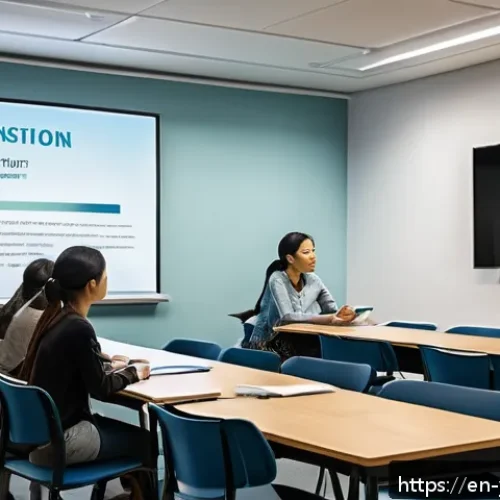
청소년상담사 시험의 필기와 실기 과목 차이 - A professional counseling session scene in a modern youth community center: a young counselor attent...

Preparing for the Youth Counselor certification involves mastering both written and practical exams, each testing different skill sets. While the written test focuses on theoretical knowledge and understanding of counseling principles, the practical exam evaluates real-life application and interpersonal skills.

청소년상담사 시험의 필기와 실기 과목 차이 관련 이미지 1

Many candidates find it challenging to balance studying for both parts, as they require distinct approaches. Knowing the key differences can help you tailor your preparation effectively.

Let’s dive deeper and uncover exactly what sets these two exams apart!

Understanding the Knowledge Base Required

Theoretical Foundations and Core Concepts

When preparing for the written portion, it’s crucial to build a solid grasp of psychological theories, counseling ethics, and developmental stages relevant to youth.

This exam tests your ability to recall, analyze, and apply these fundamental principles in various contexts. Personally, I found that diving deep into textbooks and reputable journals helped me internalize these concepts rather than just memorizing them.

It’s not about rote learning but understanding why these theories matter and how they shape counseling approaches. For example, knowing the difference between cognitive-behavioral techniques and humanistic approaches will allow you to answer scenario-based questions more confidently.

Legal and Ethical Guidelines

The written test often includes questions about legal responsibilities, confidentiality, and mandatory reporting rules. These aren’t just academic; they represent real-world boundaries counselors must respect.

I remember struggling at first to keep all the legal nuances straight, but once I related them to actual cases I’d read about or heard during internships, the information stuck better.

Understanding these guidelines protects both the counselor and the client, so grasping them thoroughly is essential for passing the written exam and practicing safely.

Knowledge Application Through Case Studies

Though primarily theoretical, the written exam frequently incorporates case studies that require you to apply your knowledge analytically. This means you need to assess a client’s situation, identify potential issues, and suggest appropriate interventions based on theory.

In my experience, practicing with past exam papers and discussing case scenarios with peers greatly improved my ability to think critically under timed conditions.

This approach bridges the gap between pure knowledge and practical thinking, a skill that also benefits the practical exam.

Advertisement

Mastering Interpersonal Skills for Real-World Counseling

Communication and Empathy in Action

Unlike the written test, the practical exam demands you demonstrate genuine communication skills. It’s not enough to know what empathy means theoretically; you have to show it through active listening, validating feelings, and building rapport with the youth.

I recall feeling nervous during my practical exam, but focusing on being fully present with the client helped me connect authentically. This human connection is what ultimately defines effective counseling and is a critical skill that can’t be faked or rushed.

Handling Challenging Scenarios

During the practical test, candidates often face simulated situations involving distressed or resistant youths. This tests your ability to stay calm, adapt your approach, and use conflict resolution techniques on the spot.

I practiced with mock sessions and role-plays, which made a huge difference in my confidence. These rehearsals allowed me to experiment with different responses and see firsthand how subtle changes in tone or body language could de-escalate tension or encourage openness.

Real-Time Problem Solving and Decision Making

The practical exam requires quick thinking and ethical judgment, often under pressure. You need to assess the situation, decide on the best intervention, and execute it effectively—all in real time.

From my own prep, I realized that developing this skill comes from experience and reflection, not just theory. Volunteering in youth centers and observing seasoned counselors provided invaluable insights that helped me handle unexpected twists during the exam with greater ease.

Advertisement

Study Strategies Tailored to Each Exam Format

Focused Reading and Note-Taking for Written Mastery

The sheer volume of information for the written test can be overwhelming. I found it helpful to create detailed notes organized by topic, supplemented by mind maps to visualize connections between theories.

Flashcards for key terms and legal points also proved effective for quick reviews. Setting aside dedicated blocks of study time, rather than cramming, ensured better retention and reduced stress.

Practical Skill Drills and Role-Playing

For the practical exam, repetitive practice with peers or mentors is key. Role-playing sessions where you simulate counseling conversations help build muscle memory for essential skills like paraphrasing, summarizing, and asking open-ended questions.

Recording these sessions and reviewing them helped me spot habits that needed improvement, such as interrupting or appearing distracted, which can easily cost points during the real test.

Balancing Both Without Burnout

One of the biggest challenges is managing preparation for both exams simultaneously. I learned that alternating study days—focusing on theory one day and practical skills the next—kept my mind fresh and prevented monotony.

Also, integrating breaks and physical activity helped maintain energy levels and mental clarity. Remember, quality trumps quantity; focused, mindful study beats hours of distracted reading or practice.

Advertisement

Key Differences in Assessment Styles and Expectations

Written Exam: Objective vs. Subjective Questions

The written test typically blends multiple-choice, short answer, and essay questions, each requiring different approaches. Multiple-choice questions test quick recall and recognition, while essays demand synthesis and argumentation skills.

I found practicing different question types separately helped me adjust my mindset and timing accordingly. Essays allowed me to showcase deeper understanding and personal reflections on counseling ethics or developmental theories.

Practical Exam: Observation and Feedback

In the practical exam, evaluators watch not only what you say but how you say it—your tone, body language, and responsiveness all factor into your score.

This makes self-awareness crucial. I remember the feedback I received after mock exams highlighting my tendency to avoid eye contact, which I then consciously worked on.

청소년상담사 시험의 필기와 실기 과목 차이 관련 이미지 2

The ability to integrate feedback quickly is a major asset in this part of the certification.

Performance Pressure and Emotional Management

Performance anxiety can affect both exams differently. For the written test, stress might cause memory blocks or misreading questions, while in the practical, it can disrupt your ability to connect with the client.

Developing coping strategies such as deep breathing, positive visualization, and grounding techniques proved invaluable for me. Practicing under simulated exam conditions also helped reduce the shock factor on test day.

Advertisement

Comparative Overview of Written and Practical Exams

Aspect Written Exam Practical Exam
Focus Theoretical knowledge, ethics, developmental psychology Interpersonal skills, real-time counseling, emotional intelligence
Question Types Multiple-choice, essays, case analysis Role-play scenarios, live interactions, problem-solving
Assessment Method Paper-based or computer-based testing Observation by examiners, performance feedback
Preparation Strategy Reading, note-taking, memorization, case study review Practice sessions, role-playing, feedback integration
Skills Tested Knowledge recall, critical thinking, ethical reasoning Communication, empathy, conflict resolution, adaptability
Common Challenges Information overload, time management Managing anxiety, maintaining rapport
Advertisement

Leveraging Real-Life Experience to Bridge Both Exams

Internships and Volunteer Opportunities

Gaining hands-on experience in youth counseling environments offers dual benefits. It reinforces theoretical knowledge by showing how concepts play out in reality and hones practical skills through direct interaction.

I personally found that volunteering at a community center allowed me to observe diverse youth behaviors and practice tailored communication, which directly translated into better performance in both exam parts.

Reflective Practice and Continuous Learning

Keeping a journal of counseling sessions or mock practices encourages reflection on what worked, what didn’t, and why. This habit deepened my self-awareness and highlighted areas needing improvement.

The cycle of practicing, reflecting, and adjusting is invaluable in mastering both the cognitive and emotional aspects of counseling.

Building a Support Network

Studying with peers or joining a study group can provide motivation and diverse perspectives. I often exchanged insights with fellow candidates, which helped me understand tricky concepts and gain new strategies for the practical exam.

Additionally, mentors or supervisors can offer constructive criticism and share real-world wisdom that textbooks don’t cover.

Advertisement

Optimizing Your Exam Day Approach

Time Management and Prioritization

On the written test day, pacing yourself is crucial. I learned to allocate time based on question type difficulty and to leave a buffer for review. For the practical, arriving early and doing calming exercises helped me enter the room composed and ready to engage fully.

Maintaining Confidence and Composure

Confidence can fluctuate, but reminding yourself of your preparation and experience helps steady nerves. During my practical exam, focusing on the client rather than the evaluators shifted my attention away from anxiety and toward genuine connection.

Post-Exam Reflection

Regardless of outcome, reflecting on your performance helps identify strengths and gaps for future improvement. I kept notes on what felt natural and what seemed forced during my practical exam, which guided my ongoing development as a counselor.

This mindset turns exams into stepping stones rather than just hurdles.

Advertisement

글을 마치며

Preparing for both the written and practical counseling exams requires a balanced blend of theoretical knowledge and real-world interpersonal skills. By combining focused study with hands-on experience, you can approach each exam with confidence and clarity. Remember, continuous reflection and practice are key to growth as a counselor. Trust in your preparation, stay present during the exam, and view this journey as a meaningful step toward helping others.

Advertisement

알아두면 쓸모 있는 정보

1. Consistent review of ethical guidelines will not only help you pass the exam but also protect you in your future counseling practice.

2. Role-playing with peers or mentors is one of the most effective ways to sharpen your practical counseling skills.

3. Using mind maps and flashcards can improve memory retention and make complex theories easier to understand.

4. Managing exam day anxiety through deep breathing and visualization techniques enhances focus and performance.

5. Keeping a reflective journal after practice sessions encourages self-awareness and continuous improvement.

Advertisement

중요 사항 정리

Successful preparation hinges on integrating knowledge with practical application. Prioritize understanding over memorization, especially in ethics and developmental theories. Regular practice through role-plays and case studies boosts confidence and adaptability for the practical exam. Managing time effectively and maintaining emotional composure during exams are crucial. Finally, leveraging real-life experience and peer support enriches learning and helps you excel in both assessment formats.

Frequently Asked Questions (FAQ) 📖

Q: What are the main differences between the written and practical exams for the Youth Counselor certification?

A: The written exam primarily tests your theoretical understanding of counseling principles, ethics, and youth development concepts. It’s all about knowing the material inside out, like theories and best practices.
On the other hand, the practical exam evaluates how well you apply that knowledge in real-life scenarios, focusing on your communication skills, empathy, and problem-solving abilities.
So, while the written test checks what you know, the practical exam checks how you use that knowledge with actual people.

Q: How should I balance my study time between the written and practical parts?

A: From my experience, it’s crucial to allocate time based on your strengths and weaknesses. If you’re more comfortable with theory, spend extra time practicing role-plays, active listening, and counseling simulations for the practical exam.
Conversely, if you find practical skills more natural, dedicate more hours to reviewing textbooks, case studies, and key concepts for the written test.
Mixing study methods—like discussing scenarios with peers or recording yourself practicing—can also boost both areas effectively.

Q: What are some effective strategies for succeeding in the practical exam?

A: To excel in the practical exam, focus on developing genuine interpersonal skills. Practice active listening, maintain open body language, and respond empathetically during mock counseling sessions.
I found that rehearsing with friends or mentors who can give honest feedback helped me improve. Also, familiarize yourself with common youth issues and prepare to handle unexpected questions or situations calmly.
Remember, showing your ability to connect and adapt is just as important as your counseling knowledge.

📚 References


➤ Link

– Google Search

➤ Link

– Bing Search

➤ Link

– Google Search

➤ Link

– Bing Search

➤ Link

– Google Search

➤ Link

– Bing Search

➤ Link

– Google Search

➤ Link

– Bing Search

➤ Link

– Google Search

➤ Link

– Bing Search

➤ Link

– Google Search

➤ Link

– Bing Search

➤ Link

– Google Search

➤ Link

– Bing Search

➤ Link

– Google Search

➤ Link

– Bing Search