7 Game-Changing Insights from Youth Counseling Case Studies You Can’t Miss

webmaster

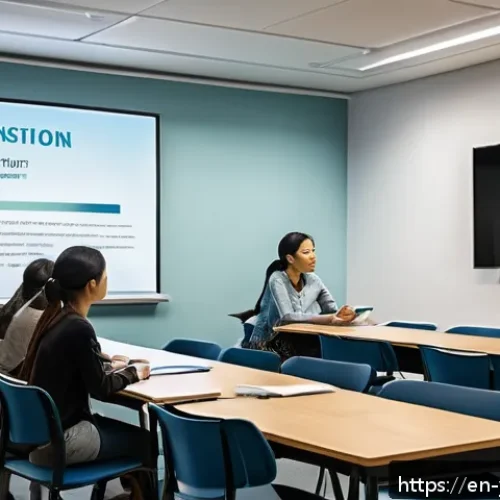
청소년상담사 현장 상담 사례 분석 - **Prompt:** A diverse group of four teenagers, aged 15-17, are gathered in a brightly lit, modern sc...

Hey there, fellow advocates for young minds! I’ve spent years immersed in the world of adolescent well-being, and honestly, what our teenagers are navigating these days is just *wild*.

From the relentless pressure cooker of academic expectations to the dizzying, often deceptive, highlight reels of social media, it’s a landscape I wouldn’t wish on anyone.

It’s no wonder we’re seeing more and more young people grappling with intense feelings of sadness, anxiety, and just a pervasive sense of hopelessness.

Seriously, the statistics are eye-opening, with studies constantly pointing to rising rates of depression and anxiety among our youth. When I reflect on the counseling room, I often think about the incredible courage it takes for a teenager to even walk through that door, let alone open up about the struggles they’re facing – everything from cyberbullying and body image woes to identity crises and family friction.

My experience tells me that it’s not just about finding solutions; it’s about creating a space where they feel truly seen and heard, a sanctuary in what can feel like an overwhelmingly loud and demanding world.

And let me tell you, guiding them through these murky waters, whether in person or via the increasingly common telehealth platforms, is a deeply rewarding, yet incredibly complex, journey for any counselor.

We’re often trying to piece together a puzzle that extends beyond the individual, into family dynamics and societal pressures. It truly takes a blend of empathy, expertise, and a constant learning curve to stay ahead of the curve, especially with how fast things are changing for Gen Z.

So, how exactly do we, as caring professionals and concerned individuals, analyze these intricate field counseling cases to better support our adolescents?

How do we adapt our strategies to meet them where they are, armed with the latest understanding of their evolving challenges? Let’s dive deeper into some real-world insights and practical applications that are making a difference in the lives of these incredible young people.

We’re going to explore this thoroughly.

Understanding the Unique Landscape of Teen Challenges

청소년상담사 현장 상담 사례 분석 - **Prompt:** A diverse group of four teenagers, aged 15-17, are gathered in a brightly lit, modern sc...

Honestly, the world our teenagers are navigating these days is just *wild*. I’ve spent years immersed in the world of adolescent well-being, and what I’ve consistently observed is that the pressures they face are not only escalating but also becoming incredibly complex. It’s not just about peer pressure and school anymore; it’s a whole new ballgame with digital demands and a global awareness that can feel utterly overwhelming. When I reflect on my counseling sessions, it’s clear that many young people are grappling with intense feelings of sadness, anxiety, and just a pervasive sense of hopelessness that can be really heartbreaking to witness. The statistics we see constantly confirm what I’m experiencing firsthand – rising rates of depression and anxiety among our youth are not just numbers, they’re real lives struggling. We have to adapt our approaches constantly because what worked even five years ago might not cut it now. This generation is so connected, yet often feels incredibly isolated, and that paradox is something we always need to keep in mind.

The Ever-Shifting Sands of Adolescent Mental Health

It’s a constant learning curve, isn’t it? Just when you think you’ve got a handle on the typical adolescent issues, something new pops up. I mean, I remember a time when cyberbullying was a relatively new concept, and now it’s practically woven into the fabric of their daily interactions. What I’ve personally found is that staying current with research and engaging with other professionals is absolutely critical. But beyond that, it’s about listening—truly listening—to what *they* are telling us, rather than assuming we know their struggles. Their language, their social norms, even their understanding of mental health can be so different from what we might expect. My experience tells me that it’s not just about finding solutions; it’s about creating a space where they feel truly seen and heard, a sanctuary in what can feel like an overwhelmingly loud and demanding world. And let me tell you, guiding them through these murky waters, whether in person or via the increasingly common telehealth platforms, is a deeply rewarding, yet incredibly complex, journey.

Social Media’s Double-Edged Sword

Oh, social media. Where do I even begin? It’s truly a double-edged sword for teenagers, isn’t it? On one hand, it offers connection and community, especially for those who might feel marginalized in their physical surroundings. I’ve seen kids find incredibly supportive groups online, which can be a lifeline. But on the other hand, the relentless pressure cooker of academic expectations combines with the dizzying, often deceptive, highlight reels of social media, creating a landscape I wouldn’t wish on anyone. My personal observation is that it fuels comparison, body image woes, and a constant fear of missing out that can seriously impact self-esteem. I had one client, a bright young girl named Chloe, who was constantly comparing her seemingly mundane life to the curated perfection of her peers’ Instagram feeds. It led to severe anxiety and a feeling of inadequacy that we had to work through for months. It truly takes a blend of empathy, expertise, and a constant learning curve to stay ahead of the curve, especially with how fast things are changing for Gen Z.

Building Authentic Connections: More Than Just Talking

When a teenager finally walks through that door, or logs onto a virtual session, it takes incredible courage, especially when they’re about to open up about struggles like cyberbullying, body image woes, identity crises, or family friction. My experience tells me that establishing genuine rapport is the bedrock of any successful therapeutic relationship. It’s not enough to just be a professional; you have to be a trustworthy, approachable human being first. I always try to remember what it felt like to be a teenager – the awkwardness, the fear of judgment, the overwhelming desire to fit in. This empathy guides my initial interactions, helping me create a space where they feel safe enough to be vulnerable. It’s about building a bridge, brick by emotional brick, and sometimes those bricks are built not through profound insights but through shared laughter or a common interest. I often find that little things, like remembering their favorite band or a detail about their pet, can make all the difference in making them feel seen and valued, not just another case file.

The Art of Active Listening and Validation

I’ve always believed that true listening is a superpower, especially when working with adolescents. It’s not just about hearing the words; it’s about understanding the unspoken emotions, the hesitations, and the underlying fears. In my practice, I make a conscious effort to validate their feelings, even if I don’t fully agree with their interpretation of events. For instance, a teen might express intense anger over a seemingly minor disagreement with a friend. Instead of minimizing it, I might say, “It sounds like that situation really made you feel disrespected and furious, and it makes sense that you’d be upset when something important to you feels threatened.” This approach, based on my direct experience, opens up the conversation rather than shutting it down. It communicates that their feelings are valid and worth exploring, which is incredibly empowering for young people who often feel dismissed. It allows them to feel genuinely heard, which then paves the way for deeper therapeutic work.

Beyond the Couch: Creative Engagement Strategies

Let’s be real, sitting on a couch and just talking isn’t for every teenager. And honestly, it’s not always the most effective way to engage with them, especially when they’re already feeling disengaged from the world. In my direct experience, incorporating creative and less conventional methods can be a game-changer. I’ve used art therapy, music, journaling prompts, and even therapeutic games to help adolescents express themselves when words fail them. For example, I had a particularly withdrawn client, Liam, who struggled to verbalize his anxiety. I suggested we try drawing a picture of what his anxiety felt like. The vivid monster he drew became a starting point for us to talk about his fears in a less intimidating way. This kind of experiential work not only makes sessions more engaging but also provides an alternative pathway for self-expression, fostering a deeper connection and understanding that traditional talk therapy might miss. It also feels less like a clinical appointment and more like a collaborative exploration, which can significantly boost their buy-in and progress.

Advertisement

Navigating Digital Worlds: Cyberbullying and Online Pressures

It’s no secret that the digital realm is a huge part of adolescent life today, and it brings its own unique set of challenges into the counseling room. I’ve personally seen how cyberbullying can absolutely devastate a young person’s self-esteem and mental well-being, often far more intensely than traditional bullying because it’s relentless and can invade their safe spaces at home. The anonymity and widespread reach of online platforms create a toxic environment where hurtful comments can spread like wildfire, and the victim often feels utterly helpless. It’s a landscape I wouldn’t wish on anyone, and helping teens navigate this often involves not just emotional support, but also practical strategies for digital citizenship and safety. We’re often trying to piece together a puzzle that extends beyond the individual, into family dynamics and societal pressures, and the digital world amplifies all of it. Understanding the specific platforms they use, the unwritten rules, and the language they employ online is absolutely critical for us as counselors.

Recognizing the Invisible Wounds of Cyberbullying

In my direct experience, the wounds from cyberbullying can often be more insidious because they’re not always visible, and they can follow a teenager everywhere – into their bedrooms, through their phones, and into their thoughts. Unlike physical bullying, there’s often no escape; it’s 24/7. I remember a case where a brilliant student, Sarah, started to isolate herself, stopped eating, and her grades plummeted. It turned out she was being targeted in a group chat by a few classmates, spreading vicious rumors and doctored photos. She felt so ashamed and alone that she couldn’t tell anyone. It’s incredibly difficult for them to speak up because of the fear of retaliation or the belief that adults won’t understand or be able to help. My role often shifts here from just listening to becoming an advocate, helping them understand their rights, and strategizing ways to block, report, and mitigate the damage. This requires us to be familiar with the digital spaces they inhabit, which is why I make a point of understanding platforms like TikTok, Snapchat, and Instagram, even if I’m not actively using them.

Empowering Digital Resilience and Safety

Beyond addressing the immediate crisis of cyberbullying, a significant part of our work is empowering adolescents to develop digital resilience. This isn’t just about telling them to “unplug” or “ignore it,” because that’s often not realistic or helpful advice. Instead, based on what I’ve seen work, it’s about teaching them critical thinking skills for online content, how to manage their digital footprint, and how to set healthy boundaries with technology. It’s about helping them understand privacy settings, the permanence of online content, and the importance of having a trusted adult they can turn to. I’ve often used analogies to explain how quickly information spreads online, likening it to a ripple effect. We discuss strategies like pausing before posting, curating their online presence, and identifying trusted online communities versus toxic ones. It’s about giving them the tools and confidence to navigate this complex digital world safely and healthily, rather than simply trying to avoid it, because avoidance simply isn’t an option for most young people today.

Untangling Family Dynamics: A Crucial Piece of the Puzzle

When I’m working with adolescents, I’ve often found that you can’t fully understand what’s going on without looking at the family system. It’s like trying to understand a single gear in a complex machine without looking at the other gears it interacts with. Family dynamics, for better or worse, play an immense role in shaping a teenager’s mental health and behavior. From my direct experience, issues like parental conflict, inconsistent discipline, communication breakdowns, or unrealistic expectations at home can manifest as anxiety, depression, defiance, or even academic struggles in the adolescent. It’s not about blaming parents, but rather understanding the intricate interplay of relationships that contribute to the young person’s current struggles. Many times, the teenager’s presenting problem is a symptom of larger, unresolved issues within the family unit. Guiding them through these murky waters, whether in person or via telehealth, is deeply rewarding, yet incredibly complex, often requiring us to consider the whole ecosystem surrounding the young person.

Understanding Parental Influence and Attachment Styles

My work has repeatedly shown me that parental influence, both conscious and unconscious, is incredibly powerful. The attachment style developed in early childhood often continues to shape how adolescents relate to others and cope with stress. For instance, a teenager with an anxious-preoccupied attachment style might exhibit extreme clinginess or fear of abandonment, especially during times of conflict with friends or romantic partners. I often explore these patterns in sessions, helping the teen understand how their past experiences with caregivers might be influencing their current reactions. It’s not about making excuses, but about building self-awareness. Sometimes, this also means gently encouraging family sessions, if appropriate, to address communication patterns or unresolved conflicts directly with parents. I remember one situation where a teen’s intense fear of failure was directly linked to their parents’ high academic expectations, which we uncovered only after exploring family interactions and parental pressures in more detail.

Bridging Communication Gaps Within the Family

One of the most common issues I encounter in the counseling room is a breakdown in family communication. Teenagers often feel their parents don’t understand them, and parents often feel their teenagers are withdrawing or being intentionally difficult. It’s a classic standoff, and I’ve seen it play out countless times. In my personal experience, acting as a neutral facilitator to bridge these gaps can be incredibly effective. I help families develop more effective communication strategies, teaching them how to actively listen, express needs respectfully, and negotiate differences without resorting to yelling or silent treatment. For example, I might introduce “I statements” – “I feel X when you do Y because Z” – to help both teens and parents articulate their feelings without blame. We also discuss setting healthy boundaries and finding common ground, even when opinions differ drastically. This often leads to a significant reduction in household tension and a stronger sense of connection, which directly benefits the adolescent’s mental well-being and helps create a more supportive home environment.

Advertisement

Adapting Therapeutic Approaches for Gen Z

청소년상담사 현장 상담 사례 분석 - **Prompt:** A teenage girl, around 16 years old, is sitting comfortably in a well-lit art studio, de...

Working with Gen Z is definitely not a one-size-fits-all situation, and honestly, if you’re still relying solely on traditional methods, you might be missing the mark. This generation has grown up in a world of instant information, digital connection, and rapidly evolving social norms, which means our therapeutic approaches need to be just as dynamic and adaptable. I’ve personally found that being flexible, creative, and genuinely curious about their world is far more effective than sticking rigidly to a textbook approach. They often respond better to visual aids, interactive exercises, and even integrating technology into sessions, where appropriate. It’s about meeting them where they are, armed with the latest understanding of their evolving challenges, and recognizing that their experiences are uniquely shaped by the digital age. This means a constant learning curve for us as counselors, always staying open to new methods and perspectives to truly resonate with them.

Leveraging Technology in Counseling Sessions

Given that Gen Z are digital natives, it just makes sense to integrate technology into our counseling, doesn’t it? I’ve personally found that using certain apps, online resources, or even just sharing relevant articles or videos can make sessions more engaging and relatable. For instance, for a client struggling with anxiety, I might recommend a mindfulness app or guide them through a breathing exercise using an online tool. For those dealing with body image, we might explore media literacy videos that deconstruct unrealistic beauty standards. I even had a client who expressed themselves best through memes, so we found ways to incorporate that into understanding their emotional responses. The key, in my experience, is to use technology as a tool to enhance the therapeutic process, not to replace genuine human connection. It can lower barriers to engagement and make the therapeutic journey feel more accessible and relevant to their daily lives, which is a huge win for building rapport and seeing progress.

Incorporating Narrative and Strengths-Based Approaches

I’m a huge advocate for narrative therapy and strengths-based approaches when working with adolescents, and I’ve seen them yield incredible results. Instead of focusing solely on problems, which can be disempowering, these methods help teens identify their inherent strengths, resilience, and past successes. It’s about helping them rewrite their own stories, moving away from a problem-saturated narrative to one where they are the capable protagonists. I’ve often asked clients, “When have you overcome something difficult before?” or “What qualities did you use to get through that tough time?” This shifts their perspective, helping them see themselves as more than just their struggles. I remember one young man, Daniel, who felt completely overwhelmed by school. By exploring his past achievements in sports and his dedication to his hobbies, we helped him recognize his incredible perseverance and focus, which he could then apply to his academic challenges. It’s incredibly empowering for them to realize they already possess many of the tools they need to navigate their difficulties.

Essential Skills for Crisis Intervention and Safety Planning

Working with adolescents means that, inevitably, you’ll encounter situations where crisis intervention is absolutely necessary. It’s a high-stakes part of the job, and honestly, it can be incredibly demanding, but it’s also where you can make the most profound difference. From my personal experience, being prepared for these moments is not just important; it’s non-negotiable. This involves having a clear understanding of risk factors for self-harm and suicide, knowing how to conduct thorough safety assessments, and having a well-rehearsed plan for what to do when a young person is in immediate danger. It’s about having a calm demeanor under pressure, clear communication, and a robust network of resources at your fingertips. We are often the first line of defense, and our ability to respond effectively in these critical moments can literally save lives. It requires a blend of sharp clinical skills, unwavering empathy, and the ability to act decisively, all while maintaining that crucial human connection.

Recognizing Warning Signs and Risk Factors

In my practice, one of the most critical skills is the ability to recognize subtle and overt warning signs of distress, especially those that might indicate a risk of self-harm or suicide. This isn’t just about looking for direct statements; it’s about paying attention to changes in behavior, mood, sleep patterns, social withdrawal, or even expressions of hopelessness in their art or writing. I’ve found that sometimes, a seemingly offhand comment during a session can be a crucial clue that needs immediate follow-up. It’s also vital to be aware of demographic and situational risk factors, such as a history of trauma, bullying, family mental health issues, or recent significant losses. For example, a sudden drop in grades combined with increased isolation can be a red flag. My experience has taught me that these moments require us to be hyper-vigilant, asking direct but compassionate questions, even when it feels uncomfortable, because their safety absolutely depends on it. We must trust our gut feelings and never hesitate to assess further if something feels off.

Developing Robust Safety Plans with Adolescents

When an adolescent is at risk, developing a comprehensive and collaborative safety plan is paramount. Based on what I’ve personally seen work, this isn’t something we just hand to them; it’s a living document we create *with* them. The plan typically includes identifying triggers, healthy coping strategies they can use, a list of trusted adults they can contact, and professional resources like crisis hotlines or emergency services. It’s also incredibly important to involve parents or guardians in this process, with the teen’s consent, to ensure there’s a consistent support system at home. I make sure to walk through each step, ensuring they understand it and feel empowered by it, rather than feeling like it’s being imposed on them. We practice what they’ll say if they need help and make sure they have the contact information readily available. This collaborative approach not only increases the likelihood that they’ll use the plan but also fosters a sense of agency and hope during what can be a very dark time for them.

Advertisement

Celebrating Small Wins and Fostering Resilience

In the challenging journey of adolescent counseling, it’s easy to get caught up in the problems and the struggles. But honestly, one of the most rewarding parts of my job, and something I actively integrate into every session, is the celebration of small wins. I’ve personally found that acknowledging even the tiniest steps forward is incredibly powerful for building a teenager’s self-esteem and motivating them to continue their hard work. It shifts the focus from what’s going wrong to what’s going right, no matter how small. This isn’t about ignoring the larger issues, but about recognizing the courage and effort it takes for them to navigate their challenges. It fosters a sense of hope and competence, reminding them that they are capable of making positive changes in their lives. These moments of affirmation are crucial for counteracting the often negative self-talk and external criticisms they might be experiencing.

Recognizing Progress, No Matter How Minor

I actively make it a point to highlight progress, even if it feels incremental. For instance, if a client who has been struggling with social anxiety manages to initiate a conversation with a new person, even if it was brief, we’ll spend time acknowledging that. Or if a teen who typically withdraws shares a feeling in session, that’s a huge win. I might say something like, “That took a lot of courage to share, and I really appreciate you trusting me with that,” or “Remember last month when that would have felt impossible? Look how far you’ve come!” In my experience, these affirmations are like fuel for their engines, encouraging them to keep going. It also helps them to reframe their own perception of success, understanding that progress isn’t always a huge leap but often a series of small, consistent steps. This consistent recognition helps to reinforce positive behaviors and build a foundation of self-belief that is absolutely critical for long-term well-being.

Cultivating a Growth Mindset and Self-Compassion

Beyond celebrating specific achievements, I focus heavily on cultivating a growth mindset and teaching self-compassion. Many adolescents I work with are incredibly hard on themselves, expecting perfection and crumbling under perceived failures. My direct experience tells me that helping them understand that mistakes are opportunities for learning, rather than definitive indicators of their worth, is transformative. We discuss the concept of “not yet” – that they might not have mastered something *yet*, but with effort and practice, they can. I also introduce practices of self-compassion, encouraging them to treat themselves with the same kindness and understanding they would offer a friend. This might involve simple exercises like writing a compassionate letter to themselves or practicing mindful self-talk. It’s about helping them develop an inner voice that is supportive and encouraging, rather than critical. This internal shift empowers them to navigate future challenges with greater resilience, knowing that their worth isn’t tied to their performance, and that setbacks are just part of the human experience.

Key Areas of Adolescent Well-being Common Challenges Faced by Gen Z Effective Counseling Strategies
Mental Health Anxiety, Depression, Stress from academics and social media, Identity issues CBT, DBT, Mindfulness, Strengths-based therapy, Psychoeducation on digital well-being
Social Development Cyberbullying, Peer pressure, Social isolation, Online relationship issues Social skills training, Conflict resolution, Digital citizenship education, Group therapy
Family Dynamics Communication breakdowns, Parental conflict, High expectations, Lack of support Family therapy, Communication skill-building, Boundary setting, Attachment-based approaches
Academic & Future Planning Academic stress, Career uncertainty, Pressure to succeed, Fear of failure Goal setting, Stress management techniques, Exploration of interests, Resilience building
Physical Health & Body Image Body image dissatisfaction, Disordered eating, Sleep deprivation, Sedentary lifestyle Media literacy, Self-esteem building, Mindful eating, Promotion of healthy habits

Wrapping Things Up

Honestly, reflecting on all these points, it’s clear that supporting our teens today is a nuanced, deeply personal, and continuously evolving journey. My years of experience have reinforced that there’s no magic bullet, but a consistent blend of empathy, informed action, and genuine connection truly makes all the difference. It’s about being present, adaptable, and always willing to learn alongside them. I truly believe that by focusing on building strong foundations of mental wellness, fostering digital literacy, and nurturing open family dynamics, we empower them not just to survive, but to truly thrive in their complex world. It’s a collective effort, and every conversation, every moment of understanding, counts.

Advertisement

Useful Information to Know

1. Prioritize Authentic Communication: Encourage your teen to share their feelings by actively listening without judgment. Sometimes, simply being present and validating their emotions is more impactful than offering immediate solutions. Creating that safe space for them to open up is crucial, and something I always strive for in my sessions.

2. Cultivate Digital Resilience: Help your teens develop critical thinking about online content, manage their digital footprint, and set healthy boundaries with technology. This isn’t about avoidance, but about empowering them with the skills to navigate the internet safely and mindfully, especially given the pressures of social media.

3. Encourage Real-World Connections & Hobbies: While digital connections are important to Gen Z, promoting real-world experiences, physical activities, and hobbies can significantly boost their mental and physical well-being. Balanced engagement helps prevent digital overload and fosters a sense of accomplishment outside the screen.

4. Recognize Warning Signs and Seek Help: Be vigilant for changes in behavior, mood, sleep patterns, or increased isolation that might indicate mental health struggles. Don’t hesitate to seek professional help from therapists, counselors, or school services if you notice persistent signs of distress. Early intervention is often key.

5. Practice Self-Care as a Caregiver: Supporting a teenager can be demanding. Remember to care for your own mental and emotional well-being by finding a trusted confidante, maintaining your own hobbies, and practicing stress-management techniques. Modeling self-care is a powerful lesson for your teen, showing them it’s okay to prioritize their own health.

Key Takeaways

At the end of the day, navigating the unique challenges of today’s adolescents requires a dynamic, empathetic, and informed approach. My personal journey and ongoing work in this field continually show me that fostering open communication, building digital resilience, strengthening family bonds, and not shying away from professional support are paramount. It’s about creating an environment where our young people feel seen, heard, and equipped to face the world with confidence and genuine hope. Keep those conversations going, stay curious, and remember that every small step toward understanding makes a monumental difference in their lives.

Frequently Asked Questions (FAQ) 📖

Q: How can I tell if my teenager’s intense mood swings are just a normal part of growing up, or if they’re a red flag indicating a need for professional counseling?

A: Oh, this is such a critical question, and one I get asked constantly by worried parents! Honestly, distinguishing between typical adolescent ups and downs and something more concerning can feel like navigating a minefield.
From my years of experience, it really comes down to a few key indicators. Normal teen mood swings are usually reactive to immediate situations – a bad grade, a fight with a friend, a thrilling concert – and tend to be relatively short-lived.
They might be intense for an hour or two, but then they bounce back. What raises a red flag for me, and what I’ve personally found indicates a need for a deeper look, is when these intense emotions become prolonged, pervasive, and start interfering with their daily life.
Are they withdrawing from activities they once loved, like sports or hanging out with friends? Have their sleep patterns drastically changed, either sleeping all the time or barely at all?
Are you noticing a significant drop in their grades, or are they constantly irritable and snapping at everyone? Pay close attention to changes in appetite, persistent feelings of sadness or hopelessness that last for weeks, or any talk of self-harm or not wanting to be around.
If these patterns persist for more than a couple of weeks, or if the intensity of their emotions feels disproportionate and overwhelming to them (and to you!), that’s your cue to seek out a professional.
Trust your gut feeling on this one; you know your child best, and if something feels ‘off’ in a fundamental way, it’s always best to err on the side of caution and get an expert opinion.
It’s about ensuring they have the support they need before things escalate.

Q: With the constant pressures of social media, academics, and future uncertainties, what specific, modern strategies do counselors use to genuinely connect with and help today’s Gen Z teens?

A: Connecting with Gen Z teens in this fast-paced, hyper-connected world is an art, and frankly, it demands that we, as counselors, stay on our toes and constantly evolve!
What worked for millennials might not resonate with this generation, and I’ve seen firsthand how crucial it is to meet them where they are. One of the most effective strategies I’ve embraced is leveraging their own language and understanding their digital landscape.
That doesn’t mean I’m trying to be ‘hip’ or use slang awkwardly, but rather acknowledging their online world as a significant part of their reality. We talk about their social media experiences – the good, the bad, and the utterly confusing – not just as a problem, but as a space where much of their social interaction and self-identity formation happens.
Another huge one is incorporating creative and non-traditional therapeutic tools. Forget just sitting and talking sometimes; I’ve had incredible breakthroughs using expressive arts, journaling apps, or even discussing their favorite video games or TV shows to explore themes of resilience, identity, and coping.
My personal experience tells me that building trust often starts by validating their unique experiences and the sheer weight of expectations they carry.
We also focus heavily on teaching digital literacy and critical thinking skills specific to online interactions, helping them discern healthy boundaries and combat comparison culture.
Crucially, it’s about being authentic and transparent. They can spot a fake a mile away! Show them you genuinely care, that you’re a human who makes mistakes too, and that you’re committed to understanding their world.
That authenticity is the bedrock upon which meaningful therapeutic relationships are built with Gen Z.

Q: Beyond the counseling room, what practical steps can parents and guardians take at home to actively support their teenager’s mental well-being and reinforce the positive work being done in therapy?

A: This is where the real magic happens, folks! Therapy is absolutely vital, but the home environment is the incubator for change. From my own observations and client success stories, the most impactful thing parents can do is cultivate an environment of open communication and unconditional support.
I know, easier said than done, right? But seriously, carve out dedicated time for genuine, no-pressure conversations. It doesn’t have to be a big sit-down; it could be during a drive, while cooking dinner, or just hanging out.
Listen more than you talk, and try to understand their perspective without immediately jumping to solutions or judgment. My rule of thumb: validate their feelings first, then gently explore options.
Another huge game-changer is modeling healthy coping mechanisms yourself. If you’re stressed, talk about how you’re managing it. Show them it’s okay to feel overwhelmed and to ask for help.
Encourage them to pursue hobbies and interests outside of screens and academics – a healthy balance is key for mental resilience. Establishing consistent routines around sleep, nutrition, and physical activity can also provide a stable foundation.
And please, don’t forget the power of family connection! Shared meals, game nights, or even just watching a movie together can strengthen bonds and create a sense of belonging, which is a powerful antidote to feelings of isolation.
Finally, and this is super important, respect their privacy but stay subtly engaged. They need to feel your presence and support without feeling constantly interrogated.
When parents actively engage with these strategies, they become powerful allies in their teen’s mental wellness journey, making the therapeutic process infinitely more effective.

Advertisement