Youth Counseling Worldwide: Essential Case Studies Every Professional Needs to Know

webmaster

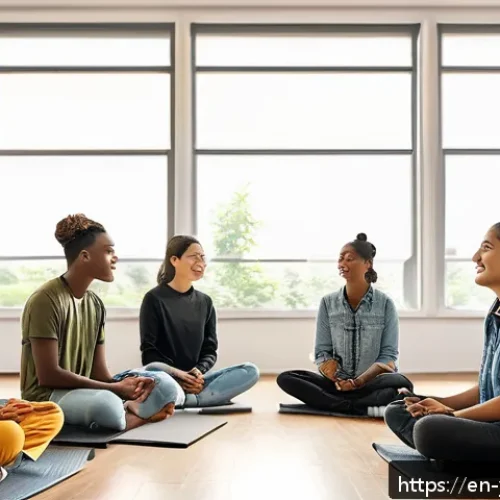
청소년상담사와 관련된 국내외 사례 연구 - **Image Prompt: Holistic Harmony in a Youth Wellness Center**
    A vibrant, sunlit image capturing ...

Hey amazing readers! I’m so thrilled you’re here. If you’ve ever found yourself wondering how we can better support the young people in our lives – our children, students, or just the next generation – then you’re in the right place.

The landscape of youth mental health is constantly evolving, isn’t it? From the undeniable pressures of social media to the lingering effects of global events, today’s adolescents are navigating challenges unlike any generation before them.

I’ve personally been observing how the conversation around mental well-being for teens has shifted dramatically, with a growing emphasis on proactive support and culturally sensitive approaches.

It’s no longer just about crisis intervention; it’s about building resilience and fostering environments where young minds can truly thrive. This deep dive into case studies, both from my own observations and worldwide research, aims to unearth the most effective strategies being implemented right now, and even give us a glimpse into what future counseling might look like in a rapidly changing world.

We’ll explore innovative techniques, understand the crucial role of community, and uncover insights that could redefine how we approach adolescent support for years to come.

As someone deeply passionate about youth well-being, I’ve seen firsthand how incredibly challenging adolescence can be. It’s a period of immense growth, yes, but also intense pressure – from school, peers, and the ever-present digital world.

We often hear about the struggles our teens face, but what truly helps them navigate these turbulent years? I’ve spent countless hours diving into how different cultures and communities support their young people, looking for those golden insights that genuinely make a difference.

It’s truly fascinating to see the diverse strategies counselors employ globally, each with its own unique impact on young lives. Trust me, the stories and lessons we’re about to uncover are going to be incredibly insightful.

Ready to uncover the most effective strategies together? Let’s dive in!

Understanding the Unique Pressures Facing Today’s Youth

청소년상담사와 관련된 국내외 사례 연구 - **Image Prompt: Holistic Harmony in a Youth Wellness Center**
    A vibrant, sunlit image capturing ...

Honestly, when I look at what young people are navigating these days, my heart goes out to them. It feels like the pressures are mounting from every direction, unlike anything we experienced growing up. It’s not just the standard academic stress or friendship drama anymore; it’s a whole new ballgame with the constant digital spotlight. I’ve personally been spending a lot of time observing how social media, in particular, has morphed into this incredible double-edged sword. On one hand, it connects them with friends and interests globally, which is fantastic! But on the flip side, it introduces an unrelenting pressure to perform, to be perfect, to constantly compare their behind-the-scenes lives with everyone else’s highlight reels. This constant exposure can chip away at their self-esteem in ways we’re still trying to fully grasp. Then there’s the sheer weight of global events, from climate anxiety to socio-political shifts, all amplified through their phones. It’s no wonder we’re seeing a rise in anxiety and depression among adolescents. As someone who’s always been drawn to understanding human behavior, I find myself constantly learning from the resilience and vulnerability I see in these young minds. It truly makes me reflect on how vital it is that we adapt our support systems to meet them where they are, acknowledging the unique landscape they’re growing up in. We can’t just apply old solutions to brand new problems, can we? It’s about being present, truly listening, and understanding their world, not just our memory of our own youth.

The Double-Edged Sword of Digital Connectivity

  • Social Media’s Impact: I’ve noticed how tricky social media can be. For many teens, it’s a primary source of connection, allowing them to find communities that understand their niche interests or identities. This sense of belonging is incredibly powerful and, frankly, something previous generations often missed out on. However, it also opens the door to comparison culture, cyberbullying, and the relentless pursuit of online validation. The sheer volume of curated perfection can make any teenager feel inadequate, leading to significant drops in self-esteem and increased anxiety. From my observations, it’s less about banning it and more about teaching critical digital literacy and fostering self-worth independent of likes and comments.
  • Information Overload and Global Anxieties: Our kids are growing up in a world where news, both good and bad, is instantly accessible. While being informed is important, the constant stream of distressing global events – climate change, political unrest, economic instability – can be incredibly overwhelming for developing minds. They don’t always have the emotional toolkit to process such large-scale problems. I’ve seen this lead to a generalized sense of worry, a feeling of helplessness that permeates their daily lives. It’s a challenge for us, as adults, to help them understand and cope with these realities without dismissing their very real concerns, and to help them find their agency amidst it all.

Embracing Holistic Approaches to Support Our Teens

What I’ve truly come to believe, after years of engaging with young people and the professionals who support them, is that mental well-being isn’t just about what goes on inside their heads. It’s so much more interconnected than that. We simply can’t ignore the physical, emotional, social, and even spiritual aspects of their lives when we talk about fostering true mental health. When I hear about programs that are only focusing on talk therapy, I can’t help but wonder if we’re missing crucial pieces of the puzzle. My experience tells me that the most effective support systems are those that embrace a holistic view, recognizing that a teenager’s diet, sleep patterns, physical activity, and creative outlets are just as vital as their ability to articulate their feelings. I’ve seen firsthand how incorporating activities like mindfulness, art therapy, or even just consistent physical exercise can dramatically improve a young person’s mood and coping mechanisms. It’s about creating a rich tapestry of support that addresses the whole person, not just a set of symptoms. This comprehensive approach not only helps in managing existing challenges but also builds a strong foundation for long-term resilience, which is exactly what we want for them, isn’t it?

Mind-Body Connection in Adolescent Well-being

  • The Power of Movement and Nutrition: It’s almost cliché, but honestly, the impact of physical activity and good nutrition on mood and cognitive function is undeniable, especially for growing teens. I’ve witnessed incredible shifts in young people struggling with anxiety when they commit to a regular exercise routine, even something as simple as daily walks. Coupled with improved dietary habits – less processed food, more whole foods – it can stabilize blood sugar, improve sleep, and reduce inflammation, all of which directly affect mood. It’s not a magic bullet, but it’s a powerful foundational layer that often gets overlooked in mental health discussions. Encouraging these habits isn’t just about physical health; it’s about empowering them to take active control of their well-being.
  • Mindfulness and Creative Expression: Beyond the physical, I’ve found immense value in teaching young people mindfulness techniques and encouraging creative outlets. In our fast-paced world, learning to slow down, observe thoughts without judgment, and be present can be revolutionary for an overstimulated teen. Simple breathing exercises or guided meditations can reduce stress significantly. Similarly, providing spaces for creative expression – be it through painting, music, writing, or drama – offers a non-verbal channel for processing complex emotions. It’s a safe space to explore identity and feelings without the pressure of finding the “right” words, which can be incredibly liberating for those who struggle to vocalize their struggles.
Advertisement

The Digital Frontier: Leveraging Technology for Mental Health Support

It’s no secret that technology is deeply woven into the fabric of young people’s lives today. As much as it presents challenges, I truly believe it also offers incredible opportunities for mental health support if we learn how to harness it effectively. I’ve seen how digital tools can break down barriers to access, especially for teens in rural areas or those who might feel too self-conscious to walk into a traditional counseling office. Think about it: a confidential chat app, a mood-tracking journal on their phone, or even a virtual reality therapy session – these innovations are reshaping how support can be delivered. I remember a conversation with a young person who told me how much easier it was to open up to a text-based counselor because they felt less judged and had more time to formulate their thoughts. It really brought home the point that what works for one person might not work for another, and technology offers a spectrum of options. Of course, it’s not without its pitfalls; we need to ensure privacy, effectiveness, and responsible use. But dismissing digital solutions entirely would be a huge disservice to the generation that lives and breathes in this online world. We need to be where they are, and increasingly, that’s online. It’s about meeting them on their turf, in a language they understand, and providing support that feels relevant and accessible.

Virtual Care and Tele-Counseling’s Growing Impact

  • Bridging Gaps in Access: One of the most significant advantages I’ve observed with tele-counseling is its ability to reach young people who might otherwise fall through the cracks. For teens in remote areas with limited mental health professionals, or those facing transportation barriers, virtual sessions are a godsend. It’s also a powerful tool for those with social anxiety who find face-to-face interactions intimidating. I’ve heard countless stories of young individuals engaging in therapy for the first time because they could do it from the comfort and safety of their own home, which drastically lowers the intimidation factor. This expansion of access is critical in ensuring that every young person, regardless of their circumstances, has the opportunity to receive the support they need.
  • Anonymity and Comfort: The perceived anonymity of online platforms can be a huge relief for many adolescents. The fear of judgment or the stigma associated with seeking mental health help can be a massive barrier. Text-based therapy or online chat forums allow young people to express themselves freely, often revealing more about their struggles than they might in person. They can take their time to articulate their feelings, edit their thoughts, and engage at their own pace. This comfort can be a crucial first step toward deeper therapeutic work, making mental health support feel less like a chore and more like a safe, personal space they control.

Building Resilience: Empowering Youth from Within

When I think about what truly helps young people not just survive but *thrive* through life’s inevitable ups and downs, it always comes back to resilience. It’s not about avoiding challenges – because let’s face it, challenges are part of life – but about equipping them with the inner strength to bounce back, adapt, and even grow stronger from difficult experiences. This isn’t something that just happens; it’s something we can actively teach and foster. From my perspective, a crucial part of my role, and indeed, any supportive adult’s role, is to help teens identify their strengths, develop coping strategies, and understand that setbacks are opportunities for learning, not failures. I’ve witnessed the incredible transformation in a young person once they realize they have the power to navigate tough situations, even if it feels overwhelming at first. It’s about cultivating a growth mindset, teaching them problem-solving skills, and showing them how to tap into their internal resources. This isn’t just about current issues; it’s about building a foundation for a lifetime of mental wellness. Empowering them to feel capable and in control, even when external circumstances are chaotic, is one of the most profound gifts we can give them. It’s truly heartwarming to see a young person recognize their own strength.

Developing Essential Coping Mechanisms

  • Stress Management Techniques: Teaching practical stress management tools is fundamental. This isn’t about fluffy concepts; it’s about concrete strategies they can use daily. I’ve found that simple techniques like deep breathing exercises, progressive muscle relaxation, or even just taking a short “brain break” can be incredibly effective. For some, it might be journaling; for others, it’s listening to music or engaging in a hobby. The key is to help them identify what works for *them* and then integrate it into their routine, so it becomes a natural response to stress rather than feeling overwhelmed. It’s about giving them an active role in managing their own emotional state.
  • Problem-Solving and Emotional Regulation Skills: Beyond just coping, true resilience involves developing robust problem-solving skills. When faced with a difficult situation, guiding teens to break down the problem, brainstorm solutions, weigh pros and cons, and then take action is incredibly empowering. Equally important is emotional regulation – understanding their feelings without being consumed by them. This involves learning to identify emotions, understanding their triggers, and developing healthy ways to express or manage them. I’ve seen that teaching this isn’t about suppressing feelings, but about channeling them constructively, which is a life skill that pays dividends for years to come.
Advertisement

Community as a Cornerstone: The Power of Collective Care

If there’s one thing I’ve learned throughout my journey, it’s that no individual, especially a young person, exists in a vacuum. The strength of a community, and the feeling of belonging it provides, is absolutely paramount to mental well-being. We often talk about individual therapy, which is incredibly important, but we can’t underestimate the profound impact of a supportive network of peers, family, schools, and local organizations. I’ve personally seen how a well-connected community can act as a safety net, catching young people before they fall too far, or providing a soft landing when they do. When teens feel seen, heard, and valued within their broader community, it builds a protective shield against isolation and loneliness, which are significant risk factors for mental health challenges. This isn’t just about formal support structures; it’s also about informal connections – a kind teacher, a coach who listens, a youth group leader who truly cares. These relationships foster a sense of identity and purpose, reminding young people that they are part of something larger than themselves. It truly takes a village to raise a child, and in today’s complex world, it takes a village to nurture their mental health too. Creating these spaces, actively facilitating these connections, is a responsibility we all share.

Building Strong Peer Support Networks

  • The Influence of Peer Groups: For adolescents, peer relationships are incredibly influential, sometimes even more so than family connections. Leveraging this natural inclination for social bonding can be a powerful tool for mental health support. I’ve seen the success of peer mentorship programs, where older students are trained to support younger ones, or support groups where teens facing similar challenges can share experiences in a safe, judgment-free space. These environments validate their feelings, reduce feelings of isolation, and empower them to realize they are not alone. When peers genuinely connect and offer empathetic understanding, it can be profoundly healing and build a sense of collective resilience that no adult-led intervention can fully replicate.
  • Youth-Led Initiatives: What really excites me are youth-led mental health initiatives. When young people are given the agency and resources to design and implement their own support programs, they often create something incredibly relevant and impactful. They understand their peers’ needs and communication styles better than anyone. I’ve seen schools where student mental health ambassadors have created awareness campaigns, organized stress-reduction workshops, and even established peer listening services. These initiatives not only provide direct support but also reduce stigma by normalizing conversations around mental health, demonstrating that it’s okay not to be okay, and that help is available and accessible from within their own ranks.

Innovative Counseling: Glimpses into the Future

As much as I value traditional counseling methods, I’m constantly looking ahead, thinking about how we can evolve our approaches to better serve the next generation. The world is changing at an incredible pace, and our mental health support systems need to keep up, don’t they? I’ve been fascinated by some of the innovative techniques emerging, moving beyond the standard talk therapy model to integrate new understandings of the brain, technology, and cultural context. Think about things like incorporating nature-based therapy, where outdoor activities are used to promote well-being, or the growing interest in psychedelic-assisted therapy for specific, severe conditions (under strict medical supervision, of course). Even more accessible are approaches like narrative therapy, which helps young people reframe their personal stories and see themselves as the heroes of their own journey, or solution-focused brief therapy, which focuses on building solutions rather than dwelling on problems. It’s about finding what resonates most deeply with each individual, rather than a one-size-fits-all approach. I truly believe that the future of counseling for young people will be less rigid, more personalized, and increasingly creative, adapting to their evolving needs and the complex world they inhabit. We need to be open to these new possibilities to truly make a difference.

Integrating Novel Therapeutic Modalities

  • Beyond Traditional Talk Therapy: While talk therapy remains a cornerstone, I’m seeing a wonderful expansion into other modalities that can be incredibly effective for young people who might struggle with verbalizing their feelings. Art therapy, music therapy, and play therapy, for instance, offer non-verbal avenues for expression and processing emotions. I’ve witnessed the profound impact of a child drawing out their fears or a teen composing a song to express their anger – it’s a release that words sometimes can’t provide. These creative approaches often tap into different parts of the brain, allowing for healing and insight that traditional methods might miss. It’s about meeting them where they are in their developmental stage and offering tools that feel natural and engaging.
  • Mind-Body-Environment Connection in Healing: There’s a growing recognition of the therapeutic benefits of connecting with the environment and one’s own body. Nature-based therapy, for example, which involves activities like hiking, gardening, or even just spending time in green spaces, has been shown to reduce stress and improve mood. Similarly, body-based therapies such as yoga or somatic experiencing can help young people process trauma and regulate their nervous systems. I believe that by integrating these approaches, we’re not just treating symptoms but fostering a deeper connection to self and the world around them, leading to more sustainable well-being.
Advertisement

Parental Partnerships: A Crucial Link in the Chain

Here’s something I feel really strongly about: as much as we professionals can do, the parents and caregivers are absolutely, unequivocally, the first line of defense and the most consistent source of support for young people. When I work with adolescents, I always emphasize the critical role of their family environment. It’s not about pointing fingers, but about building bridges and empowering parents to be the most effective advocates for their children’s mental health. I’ve observed that when parents are actively involved, informed, and equipped with the right tools, the outcomes for their children are significantly better. This means creating open lines of communication, providing education on adolescent development and mental health signs, and offering strategies for fostering a supportive home environment. It’s a partnership, a collaborative effort where everyone is working towards the same goal. Sometimes parents feel overwhelmed, unsure how to approach difficult conversations, or even how to identify when their child is struggling beyond typical teenage angst. That’s where we come in, not to replace them, but to support them in their incredibly vital role. A united front between home and professional support can truly make all the difference in a young person’s journey towards mental wellness, and it’s a dynamic I always prioritize in my practice.

Empowering Parents with Knowledge and Resources

  • Navigating Adolescent Development and Mental Health: Let’s be honest, parenting a teenager is tough, and it’s even tougher when you’re trying to understand complex mental health challenges. I’ve found that one of the biggest needs for parents is clear, accessible information. This includes understanding normal adolescent brain development versus signs of a developing mental health condition, recognizing common symptoms of anxiety, depression, or other issues, and knowing when and how to seek professional help. Providing workshops, online resources, and direct consultations that demystify these topics empowers parents to be proactive rather than reactive. It helps them differentiate between typical teenage moodiness and something more serious, allowing for earlier intervention which, as we all know, is key.
  • Fostering Open Communication and Supportive Home Environments: So much of a young person’s well-being hinges on feeling safe and understood at home. I often work with parents on strategies for fostering open communication, which means listening without judgment, validating their child’s feelings, and creating a space where difficult conversations are welcomed, not avoided. This also extends to setting healthy boundaries, managing technology use within the family, and modeling healthy coping mechanisms themselves. When parents prioritize a supportive and understanding home environment, it acts as a powerful buffer against external stressors, providing a foundation of emotional security that is absolutely vital for a developing mind.

The Intersections of Identity and Mental Wellness

One area that has profoundly shaped my understanding of youth mental health is the intricate connection between identity and well-being. It’s not enough to simply offer generic support; we absolutely have to consider the unique tapestry of each young person’s identity – their cultural background, their gender identity, sexual orientation, socioeconomic status, and any experiences of discrimination. What I’ve seen time and time again is that these aspects aren’t just minor details; they deeply influence how a young person experiences the world, the challenges they face, and their access to resources. A strategy that works for one group might completely miss the mark for another because it doesn’t acknowledge their specific lived realities. For example, a young person from a marginalized community might face systemic barriers to accessing care, or carry the added burden of racial trauma. Similarly, LGBTQ+ youth often navigate unique stressors related to acceptance and discrimination that significantly impact their mental health. My personal commitment has always been to approach every individual with cultural humility, striving to understand their world from their perspective, rather than imposing a one-size-fits-all solution. This means advocating for culturally competent care, ensuring that mental health professionals are trained to understand and respect diverse backgrounds, and creating inclusive spaces where every young person feels seen, valued, and genuinely supported for exactly who they are. It’s about tailoring our approach with genuine empathy and awareness.

Culturally Competent Care and Inclusive Spaces

  • Addressing Disparities and Systemic Barriers: It’s a harsh truth that mental health support isn’t equally accessible or effective for all young people. I’ve observed significant disparities, especially for youth from marginalized communities, who often face systemic barriers such as lack of culturally competent providers, language barriers, or financial constraints. Furthermore, experiences of racism, discrimination, or xenophobia can themselves be significant contributors to mental health challenges, adding a layer of trauma that needs specific, sensitive attention. My work has led me to strongly advocate for mental health services that are not only accessible but also specifically designed to address these unique challenges, ensuring that interventions are relevant and respectful of diverse cultural norms and healing practices.
  • Supporting LGBTQ+ Youth Mental Health: The mental health landscape for LGBTQ+ youth often presents distinct challenges. I’ve seen firsthand how the struggle for identity acceptance, coupled with experiences of discrimination or family rejection, can lead to elevated rates of anxiety, depression, and other mental health concerns. Creating truly inclusive and affirming spaces is paramount. This means counselors and support systems must be knowledgeable about LGBTQ+ issues, use inclusive language, and advocate for safe environments where young people feel celebrated for their authentic selves. Providing tailored resources and support groups where they can connect with peers who share similar experiences can be incredibly validating and life-affirming.
Advertisement

Fostering Emotional Intelligence: A Foundation for Lifelong Wellness

You know, often when we talk about success in life, we immediately think about academic achievements or career milestones. But what I’ve come to realize, both through my own experiences and through countless conversations with young people, is that emotional intelligence is arguably just as, if not more, crucial for navigating the complexities of life. It’s the ability to understand and manage one’s own emotions, and to recognize and influence the emotions of those around them. This isn’t just about being “nice”; it’s about building strong relationships, resolving conflicts peacefully, and developing resilience in the face of adversity. I’ve seen how young people who are emotionally intelligent are better equipped to handle stress, communicate their needs effectively, and bounce back from setbacks. It’s a foundational skill that truly empowers them to thrive. Unfortunately, it’s not always explicitly taught in schools, which is why I believe it’s our collective responsibility – as parents, educators, and mentors – to actively foster this development. It’s about giving them the vocabulary for their feelings, teaching them empathy, and guiding them through real-world scenarios where they can practice these invaluable skills. Investing in emotional intelligence isn’t just about addressing current mental health challenges; it’s about building a robust internal toolkit that will serve them well throughout their entire lives, allowing them to lead more fulfilling and connected existences.

Developing Empathy and Social Skills

  • The Art of Understanding Others: Empathy is such a powerful force, and I truly believe it’s a skill we can cultivate in young people. It’s not just about feeling sorry for someone, but about genuinely trying to understand their perspective, even when it differs from your own. I’ve found that activities like role-playing, discussing characters in books or movies, or even just encouraging active listening can significantly boost a teen’s empathetic capacity. When young people can step into another’s shoes, it reduces conflict, fosters stronger friendships, and builds a more compassionate community. It’s a foundational element of positive social interaction and essential for navigating the diverse world they inhabit.
  • Effective Communication and Conflict Resolution: Beyond empathy, helping young people develop robust social skills, especially in communication and conflict resolution, is incredibly empowering. Many teens struggle with expressing their needs clearly or handling disagreements constructively, often resorting to avoidance or aggression. Teaching them “I statements,” active listening, and negotiation techniques can transform their relationships. I’ve seen this lead to less drama, stronger bonds, and a greater sense of self-efficacy. It’s about giving them the tools to navigate the inevitable bumps in social interactions, turning potential stressors into opportunities for growth and deeper connection.
Support Strategy Key Benefits for Teens Implementation Example
Holistic Wellness Programs Addresses mind, body, and spirit; reduces stress; improves coping. School-based programs integrating mindfulness, nutrition workshops, and accessible sports/arts clubs.
Digital Mental Health Platforms Increases access to care; provides anonymity; offers diverse modalities. Tele-counseling services, mood-tracking apps, moderated online peer support forums.
Resilience Skill-Building Empowers self-efficacy; improves problem-solving; fosters adaptability. Workshops on stress management, emotional regulation, and goal setting; mentorship programs.
Community & Peer Support Reduces isolation; builds belonging; provides relatable experiences. Youth mental health clubs, peer mentoring initiatives, community-led youth centers.
Parent & Family Engagement Strengthens home support; improves communication; early intervention. Parent education seminars, family therapy, resources on adolescent development.
Culturally Affirming Care Ensures relevant and respectful support; reduces disparities; builds trust. Training for counselors on cultural competence; LGBTQ+ affirming spaces; specialized support groups.

Wrapping Up Our Conversation

Phew! That was quite the journey we just took, wasn’t it? As an English blog influencer who spends a lot of time thinking about these things, I truly believe that understanding the unique pressures and incredible resilience of today’s youth is one of the most vital conversations we can have.

What I’ve really tried to convey here, from my personal observations and countless interactions, is that there’s no magic bullet, no single solution. It’s about a multifaceted approach, blending empathy, cutting-edge support, and a deep commitment from all of us – parents, educators, communities, and even the digital spaces they inhabit.

Seeing young people navigate this complex world with such courage and vulnerability continually inspires me. It’s a powerful reminder that our role is to not just protect them, but to empower them with the tools, understanding, and unwavering support they need to not just survive, but truly flourish in their own unique way.

Let’s keep these conversations going, always learning, always adapting, and always leading with our hearts.

Advertisement

Useful Information to Know

1. Foster Open and Non-Judgmental Communication: Honestly, one of the biggest takeaways I’ve seen is the absolute necessity of creating a safe space for young people to talk. It’s not about having all the answers, but about being present, truly listening, and validating their feelings, even if you don’t fully understand them. Encourage them to share their struggles without fear of judgment, and be ready to offer a listening ear or a comforting presence. Sometimes, just knowing they have someone who cares enough to listen can make all the difference in the world when they’re grappling with anxieties or uncertainties. This foundation of trust is truly invaluable.

2. Champion Holistic Well-being Beyond the Digital Realm: While technology is undeniably a huge part of their lives, let’s not forget the basics that are crucial for mental and physical health. Encourage regular physical activity, whether it’s team sports, a walk in nature, or just dancing in their room. Prioritize healthy eating habits, emphasizing nutrient-rich foods over processed snacks. And perhaps most importantly, advocate for consistent, quality sleep, which is often the first thing to go when stress levels rise. These foundational elements profoundly impact mood, cognitive function, and overall resilience, giving them a stronger base to handle life’s challenges.

3. Navigate the Digital World with Intentionality: We can’t ignore the digital landscape, but we can teach our teens to navigate it wisely. Help them develop critical digital literacy skills, so they can discern reliable information from misinformation and understand the curated nature of online content. Encourage balanced screen time, setting boundaries that allow for real-world interactions and hobbies. Most importantly, foster a sense of digital citizenship, where they understand the impact of their online actions and how to protect their privacy and well-being. It’s about empowering them to be masters of their devices, rather than slaves to them.

4. Recognize the Signs and Don’t Hesitate to Seek Professional Help: It’s so important to be attuned to changes in a young person’s behavior that might signal a deeper struggle. Persistent sadness, withdrawal from activities they once enjoyed, significant changes in sleep or appetite, or expressions of hopelessness are all red flags. Please, if you notice these signs, don’t hesitate to reach out for professional help. There’s absolutely no shame in seeking support from a therapist, counselor, or doctor. Early intervention can make a monumental difference, and there are so many fantastic resources available, from school counselors to specialized mental health services, both in-person and online.

5. Cultivate a Strong Support Network – Both Peer and Adult: Remind young people that they are not alone. Encourage them to build strong, positive friendships where they can lean on each other. Facilitate opportunities for them to connect with trusted adults outside of the family, like teachers, coaches, mentors, or youth group leaders, who can offer different perspectives and support. A diverse network of caring individuals provides a safety net and helps build a sense of belonging and community, which are incredibly powerful buffers against mental health challenges. We truly thrive when we feel connected and supported by those around us.

Key Takeaways for Supporting Our Youth

So, what’s the big picture here? From everything we’ve explored, it’s clear that supporting the mental health of today’s youth requires a truly dynamic and compassionate approach.

We need to remember that their world is different from ours, filled with unique pressures and opportunities. The most impactful strategies are those that are holistic, embracing both mind and body; technologically savvy, meeting them where they are; and deeply empathetic, recognizing the diverse identities and experiences that shape them.

It means fostering resilience from within, building strong community ties, and crucially, partnering with parents and caregivers. Ultimately, it’s about creating an ecosystem of understanding, support, and empowerment, ensuring that every young person has the chance to develop the emotional intelligence and coping skills they need to navigate life’s journey with strength and optimism.

We’re all in this together, and by working collaboratively, we can genuinely make a difference.

Frequently Asked Questions (FAQ) 📖

Q: What are the biggest mental health hurdles teenagers are facing right now, and what’s making them so tough?

A: Oh, this is such a critical question, and one I hear a lot! From my personal observations and what I’ve seen in the research, today’s teenagers are navigating a truly complex landscape when it comes to their mental well-being.
One of the most talked-about challenges, and rightly so, is the relentless pressure from social media. It’s not just about cyberbullying, though that’s a huge concern; it’s also the constant comparison to curated, often unrealistic lives, the fear of missing out (FOMO), and the impact on body image and self-esteem.
I’ve seen firsthand how girls, in particular, often report more negative experiences, like feeling worse about their own lives or overwhelmed by drama online.
Beyond the digital world, academic stress is a huge factor. The pressure to excel, get into the “right” college, and navigate an uncertain future can be incredibly overwhelming for young minds.
It feels like the stakes are higher than ever, and this can lead to surging rates of depression and anxiety among adolescents. Plus, let’s not forget the lingering effects of global events and an often unstable home environment, which can deeply impact emotional development.
It’s a multi-layered challenge, making it vital that we approach their support with understanding and empathy.

Q: You mentioned a shift towards “proactive support” and “culturally sensitive approaches.” What do these really look like when we’re trying to help young people?

A: Absolutely! This shift is incredibly important, and honestly, it’s where I get most excited about the future of youth mental health. “Proactive support” means we’re not just waiting for a crisis; we’re building resilience and well-being from the ground up.
Think of it like this: instead of just treating a broken leg, we’re teaching them how to prevent falls in the first place, and giving them the tools to cope if they do stumble.
This includes mental health education integrated into schools, teaching healthy coping mechanisms, mindfulness techniques, and fostering healthy peer support systems.
I’ve seen how impactful it is when schools and families collaborate, creating consistent support systems and even allowing “mental health days” when needed.
Now, “culturally sensitive approaches” are all about recognizing that a one-size-fits-all model just doesn’t work. Our young people come from incredibly diverse backgrounds, and their experiences, beliefs, and family dynamics profoundly influence their mental health and how they seek help.
This means counselors and support systems need to understand and respect a child’s unique identity – their age, race, ethnicity, gender identity, socioeconomic background, and even historical factors.
From my perspective, this looks like actively educating ourselves about diverse perspectives, asking children about their preferences, and tailoring support to be relevant and effective for their specific cultural values.
It’s about building trust by acknowledging and celebrating their unique selves, rather than imposing a single view of “normal” or “healthy”.

Q: For parents, educators, and community members, what are some truly actionable strategies we can use today to genuinely foster mental well-being in the young people around us?

A: This is where we can all make a tangible difference! Based on what I’ve learned and observed, fostering mental well-being in teens requires a collective effort, starting right in our homes and extending into our communities.
My top advice? Encourage open and honest communication. Create a safe space where they feel heard without judgment.
It sounds simple, but actively listening, validating their feelings, and asking open-ended questions like, “How are you feeling lately?” or “What’s been on your mind?” can open doors you didn’t even know were there.
Another game-changer is modeling healthy coping mechanisms. We, as adults, need to show them that it’s okay to feel stressed or sad and demonstrate how we manage our own emotions.
Whether it’s taking a walk, reading a book, or talking to a friend, our actions speak volumes. Also, let’s prioritize balancing their lives – encouraging regular exercise, a healthy diet, and adequate sleep is crucial, especially when social media can lead to sleep disruption.
Lastly, and this is something I truly believe in, is to build an ecosystem of trusted adults around them. This means parents collaborating with teachers, community leaders, and mental health professionals to ensure a consistent support system.
If you notice changes in behavior, or if your teen is struggling, don’t hesitate to seek professional help – and communicate to them that seeking help is a sign of strength, not weakness.
By working together, we can empower our youth to develop resilience and thrive in an ever-changing world.

Advertisement